Thermal Transfer vs Direct Thermal Barcode Printers: Cost, Durability, Use Cases
Barcode printers are essential tools for businesses that rely on accurate labeling for inventory, shipping, tracking, and compliance. Among the most common printing technologies used today are thermal transfer and direct thermal barcode printers. While both use heat to create images, they differ significantly in cost, durability, and ideal use cases. Understanding these differences helps businesses choose the right solution for their specific operational needs.
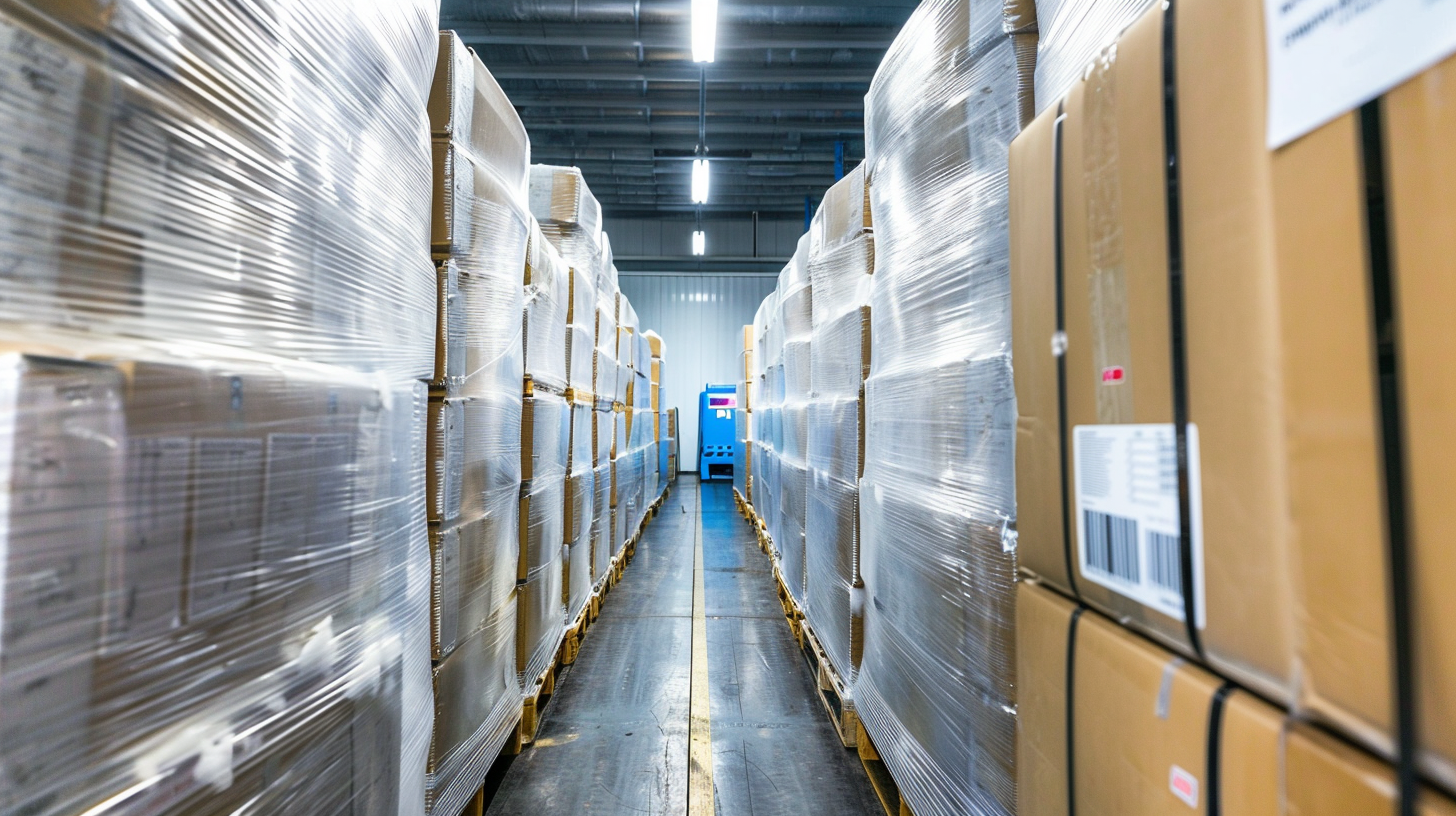
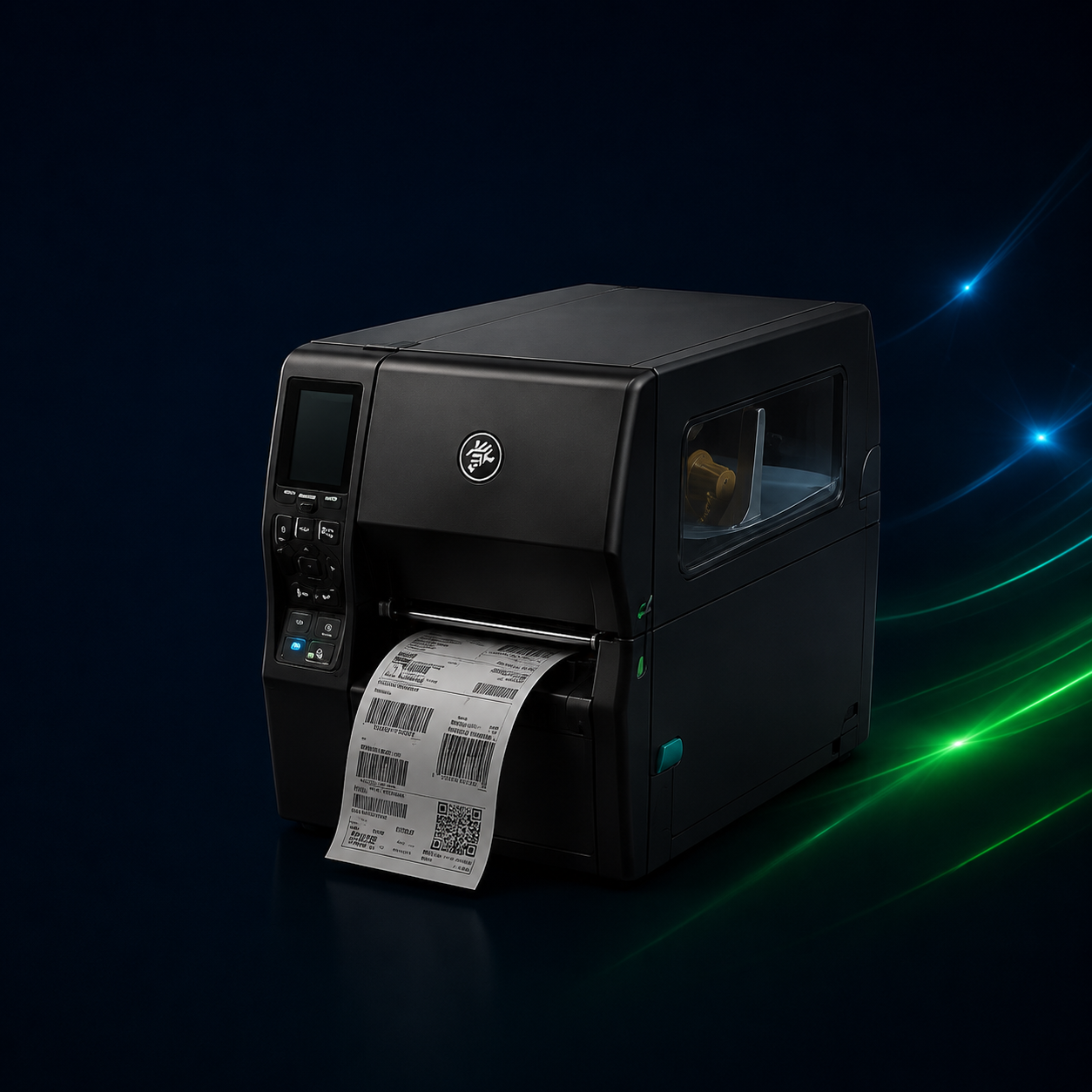
Thermal transfer barcode printers use a heated ribbon to transfer ink onto the label surface. This process creates sharp, long-lasting images that resist fading, smudging, and environmental exposure. Because of their durability, thermal transfer printers are often used in environments where labels must remain readable for extended periods. Warehouses, manufacturing facilities, healthcare settings, and asset tracking applications commonly rely on thermal transfer printing to ensure labels withstand handling, storage, and changing conditions.
Direct thermal barcode printers operate without ink or ribbons. Instead, they print directly onto heat-sensitive labels that darken when exposed to heat. This simpler process makes direct thermal printers easier to maintain and faster to operate in many situations. Because there are fewer consumables involved, direct thermal printers are often favored for short-term labeling applications where simplicity and speed are priorities.
Cost is a major factor when comparing thermal transfer and direct thermal printers. Direct thermal printers typically have a lower upfront cost and reduced ongoing expenses since they do not require ribbons. This makes them an attractive option for businesses looking to minimize supply management and operational complexity. Thermal transfer printers require ribbons, which adds to consumable costs, but the longer lifespan of the labels often offsets this expense by reducing the need for reprints.
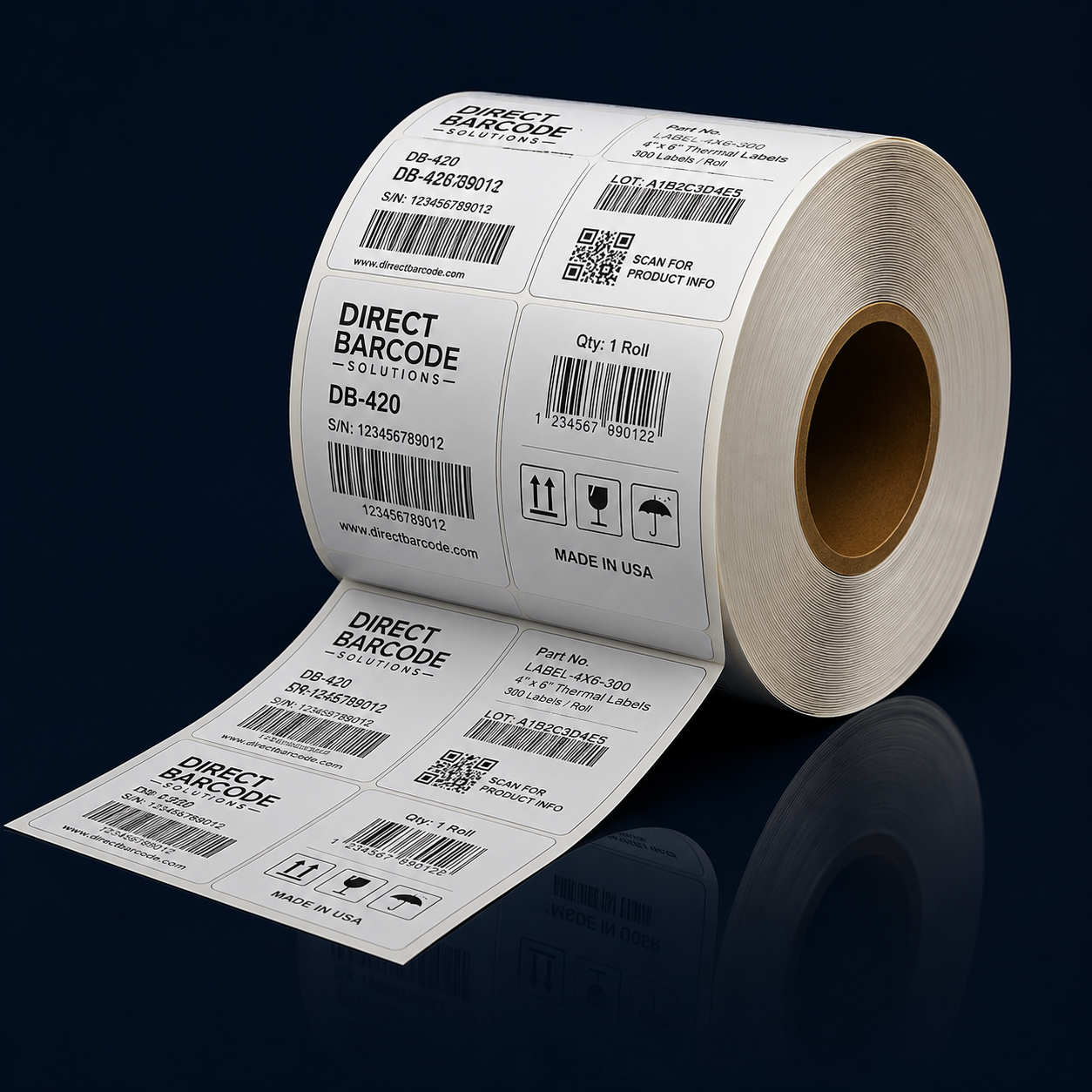
Durability is where the two technologies differ most. Thermal transfer labels are designed to last, maintaining barcode clarity even when exposed to heat, moisture, friction, or chemicals. This durability makes them ideal for long-term identification, such as pallet labels, rack labels, compliance tags, and product labeling. Direct thermal labels are more sensitive to environmental factors and may fade when exposed to heat or light. While this is not an issue for shipping labels or temporary identification, it can become a problem for long-term storage or outdoor use.
Use cases play a key role in determining which printing method is best. Direct thermal printers are commonly used for shipping labels, packing slips, and short-term inventory labels where the label only needs to remain legible during transit or a brief handling period. These printers are popular in ecommerce, retail, and fulfillment operations where speed and efficiency are critical. Thermal transfer printers are better suited for applications that require label longevity, such as manufacturing, warehousing, healthcare, and asset management.
Another consideration is maintenance and reliability. Direct thermal printers have fewer moving parts and consumables, which can reduce maintenance requirements. However, because direct thermal labels are sensitive to environmental conditions, businesses may experience label degradation if storage or handling conditions are not ideal. Thermal transfer printers require ribbon changes but offer more consistent long-term performance in demanding environments.
When deciding between thermal transfer and direct thermal barcode printers, businesses should consider how long labels need to last, where they will be used, and how frequently they are printed. Direct thermal printing offers a cost-effective and efficient solution for short-term labeling needs, while thermal transfer printing provides durability and reliability for long-term applications.
Both technologies play an important role in modern labeling operations. By understanding the cost implications, durability differences, and ideal use cases of each, businesses can select the barcode printing solution that supports efficiency, accuracy, and long-term operational success.