How to Choose the Right Barcode Printer for Your Business
Choosing the right barcode printer is an important decision for any business that relies on accurate labeling. Barcode printers support inventory tracking, shipping, asset management, and daily operations across many industries. Selecting the right model helps improve efficiency, reduce errors, and ensure labels remain clear and scannable throughout their intended use.
The first factor to consider when choosing a barcode printer is how the labels will be used. Some businesses require labels that last only a few days, while others need labels to remain readable for months or years. Understanding whether labels are used for shipping, inventory storage, asset tracking, or compliance helps determine the most suitable printing technology. This clarity prevents overpaying for unnecessary features or selecting a printer that cannot meet operational demands.
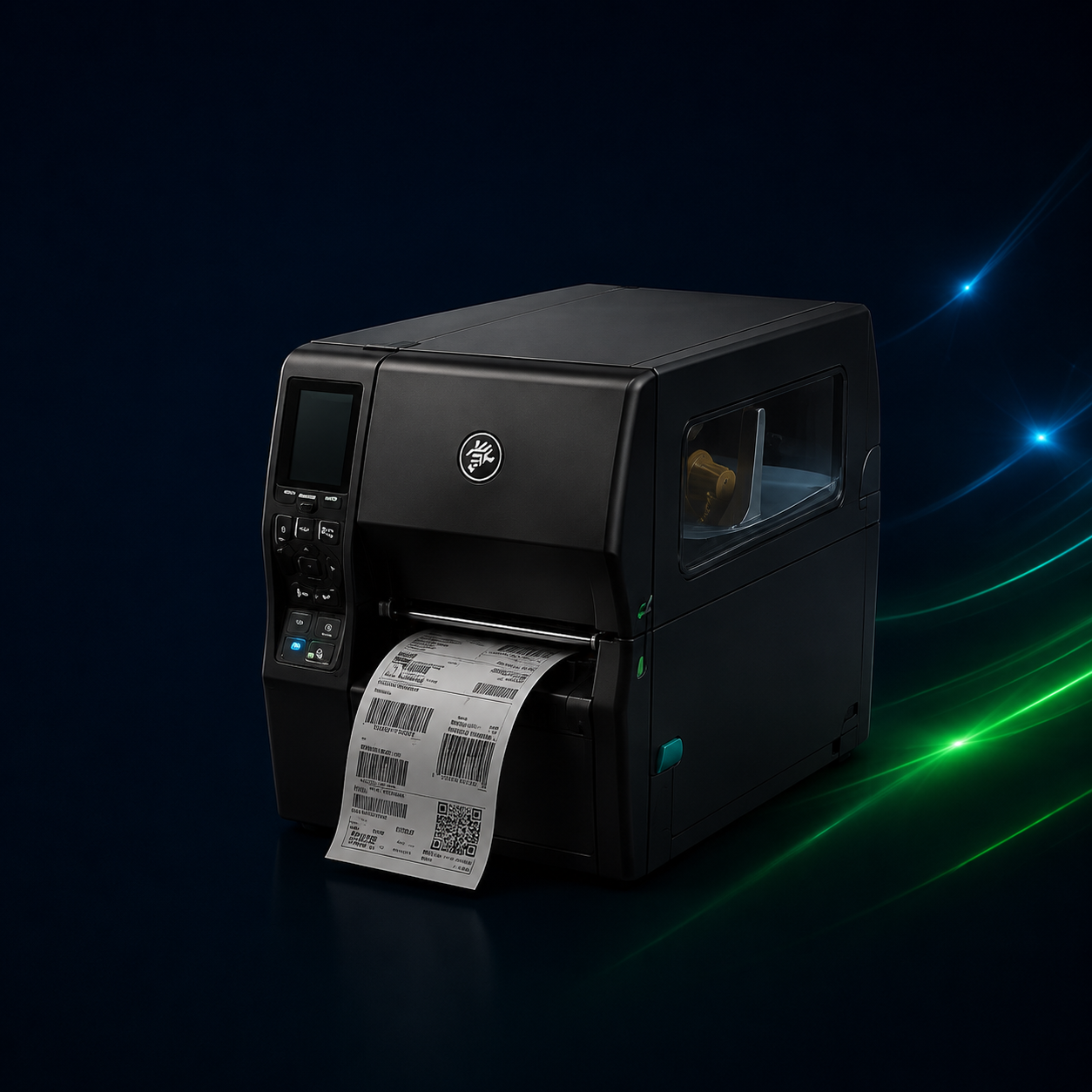
Print volume is another critical consideration. Businesses that print a small number of labels each day can typically rely on desktop barcode printers, which are compact and easy to manage. Operations with higher print volumes or continuous printing needs may require industrial-grade printers designed for durability and long-term performance. Matching printer capacity to daily usage helps avoid downtime and excessive wear.
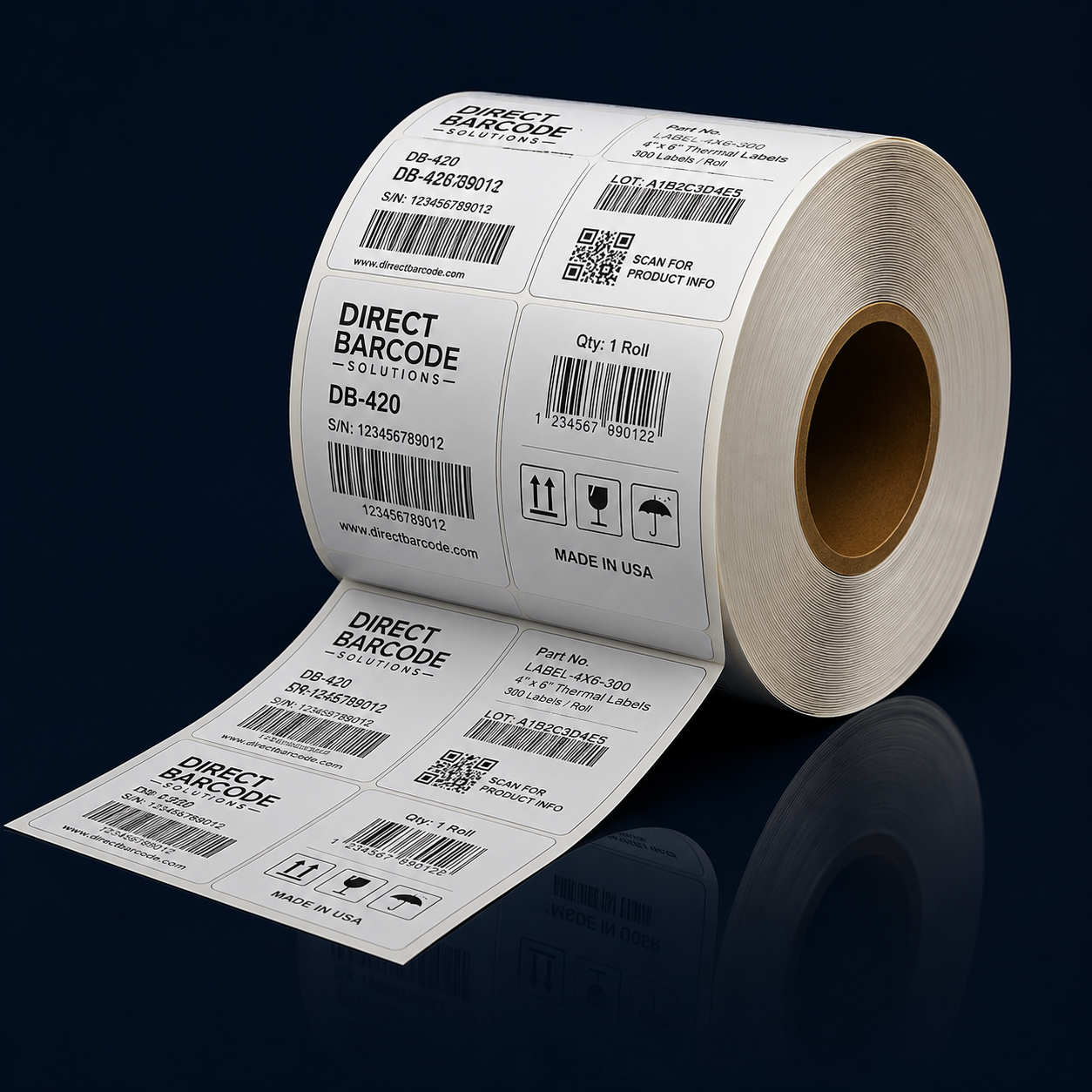
The printing method also plays a key role in printer selection. Thermal printers are the most common choice because they offer reliable, high-quality output with minimal maintenance. Direct thermal printers are ideal for short-term labels such as shipping labels, while thermal transfer printers use ribbons to create more durable labels for long-term applications. Choosing the right method ensures labels perform as expected in real-world conditions.
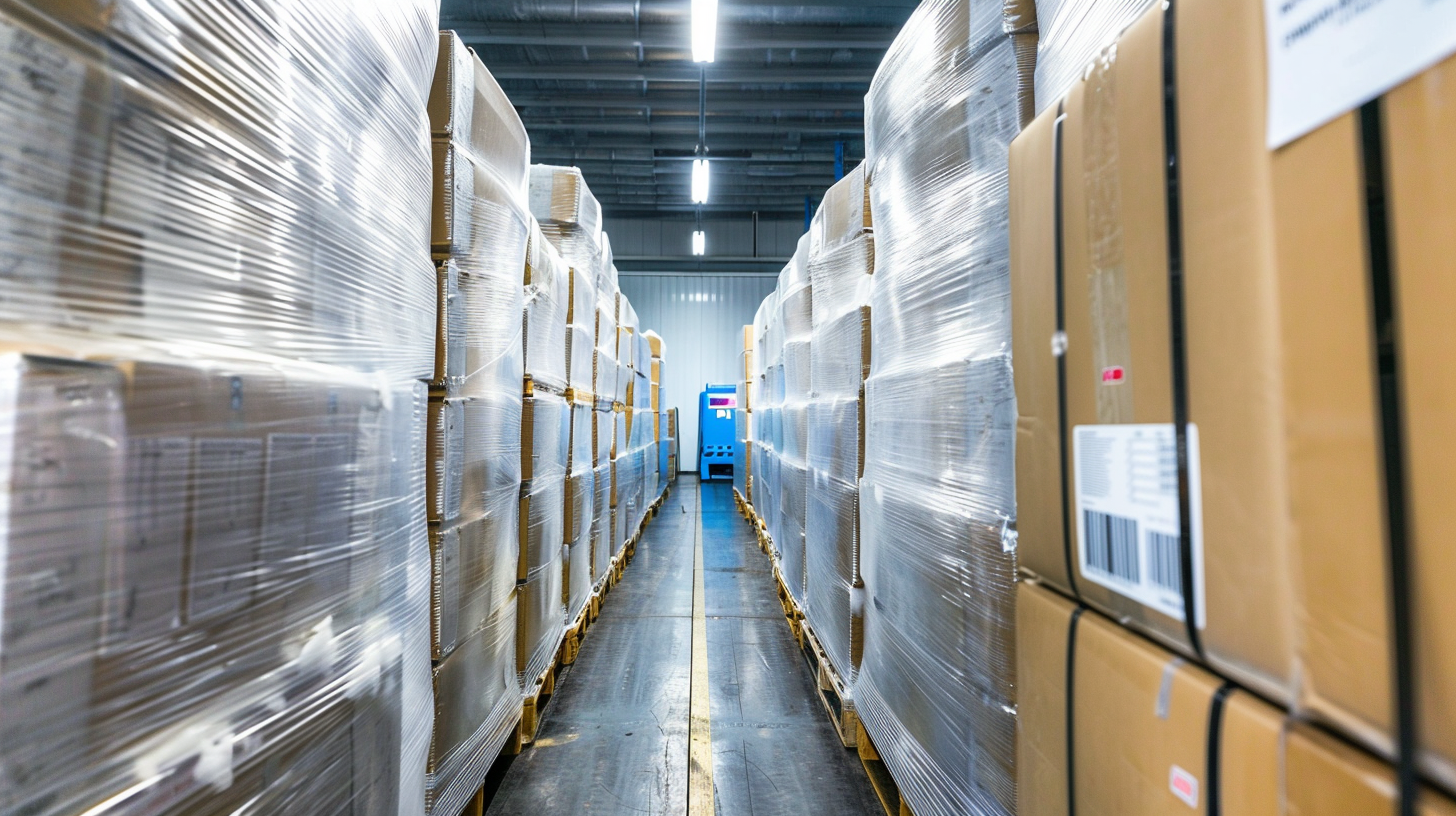
Environmental factors should not be overlooked. Warehouses, manufacturing floors, and outdoor environments expose printers and labels to dust, moisture, heat, and physical handling. In these settings, rugged printers and durable label materials are often necessary. Office or retail environments typically allow for lighter-duty printers that prioritize space efficiency and ease of use.
Integration with existing systems is also essential. Many barcode printers are designed to work with inventory management software, point-of-sale systems, and shipping platforms. Ensuring compatibility with current workflows helps streamline operations and reduces manual processes. Wireless and network-enabled printers offer additional flexibility for teams working across multiple locations.
Cost considerations extend beyond the initial purchase price. Supplies, maintenance, and potential repairs all contribute to the total cost of ownership. Some businesses choose managed or subscription-based printing solutions to simplify budgeting and ensure consistent support. Evaluating both short-term and long-term costs helps businesses make financially sound decisions.
Ultimately, choosing the right barcode printer requires a clear understanding of business needs, printing volume, label durability, and operating environment. By carefully evaluating these factors, businesses can select a barcode printer that supports efficient operations today while allowing room for future growth. The right printer becomes a reliable tool that improves accuracy, productivity, and overall workflow.