Healthcare Barcode Printing: Compliance, Accuracy, and Safety
Healthcare environments depend on precision, reliability, and strict compliance to ensure patient safety. Barcode printing plays a vital role in hospitals, clinics, laboratories, and pharmacies by supporting accurate identification, medication management, and asset tracking. Proper barcode printing helps healthcare organizations reduce errors, meet regulatory requirements, and maintain efficient workflows.
Compliance is a major driver of barcode printing in healthcare. Regulatory standards require accurate labeling of medications, specimens, and patient information. Barcode labels must remain legible and scannable throughout their use to support audits and quality control. Reliable barcode printers ensure labels meet these standards and maintain consistency across departments.
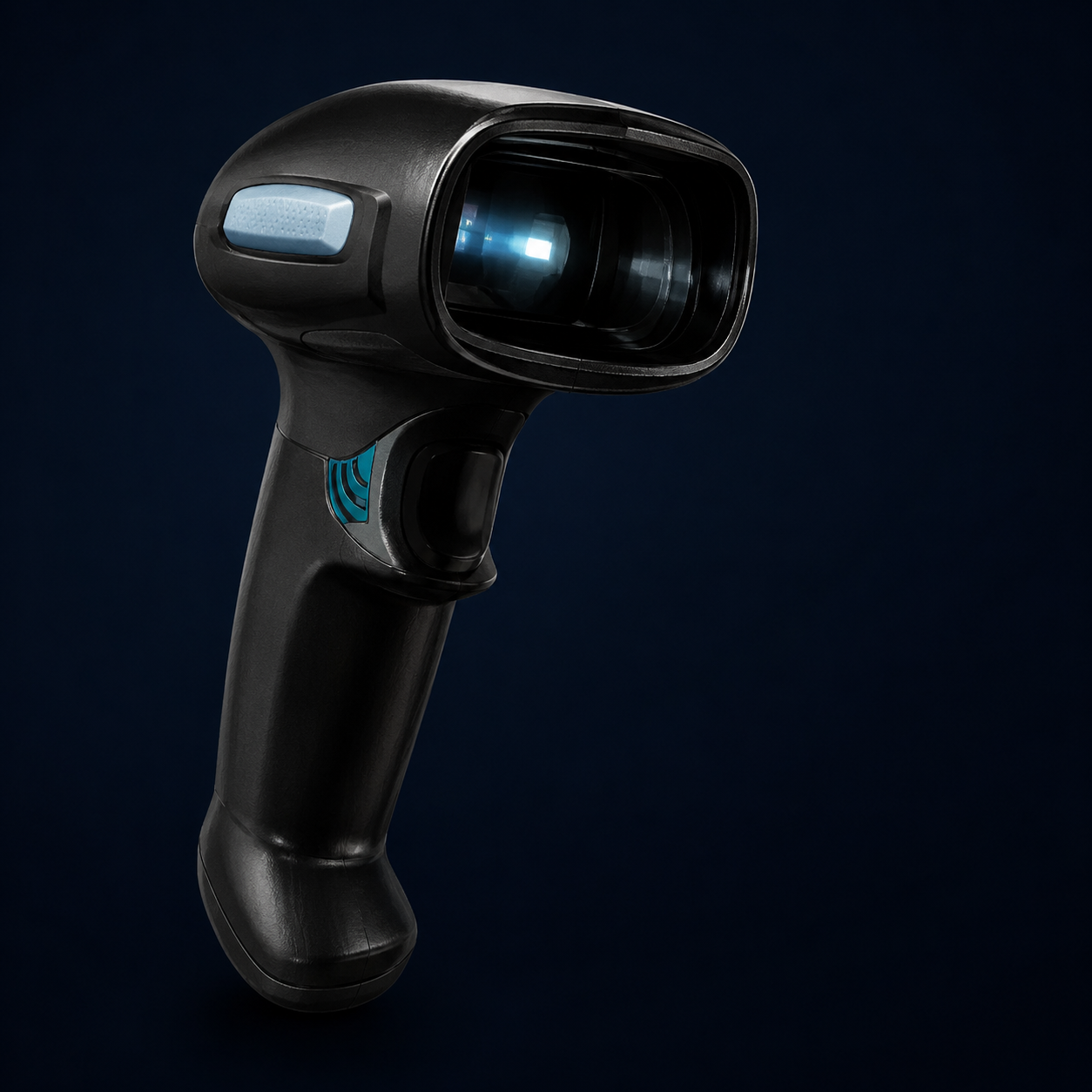
Accuracy is essential in patient care settings. Barcode labels are used to identify patients, medications, lab samples, and medical equipment. When barcodes scan correctly, healthcare staff can verify information quickly and reduce the risk of misidentification. Barcode printers produce high-contrast labels that scanners can read accurately, supporting correct medication administration and specimen handling.
Safety is closely tied to both compliance and accuracy. Barcode printing helps create a system of checks and balances that reduces human error. By scanning barcode labels at each step of a process, healthcare providers can confirm they are working with the correct patient, medication, or sample. This verification process supports patient safety and improves overall care quality.
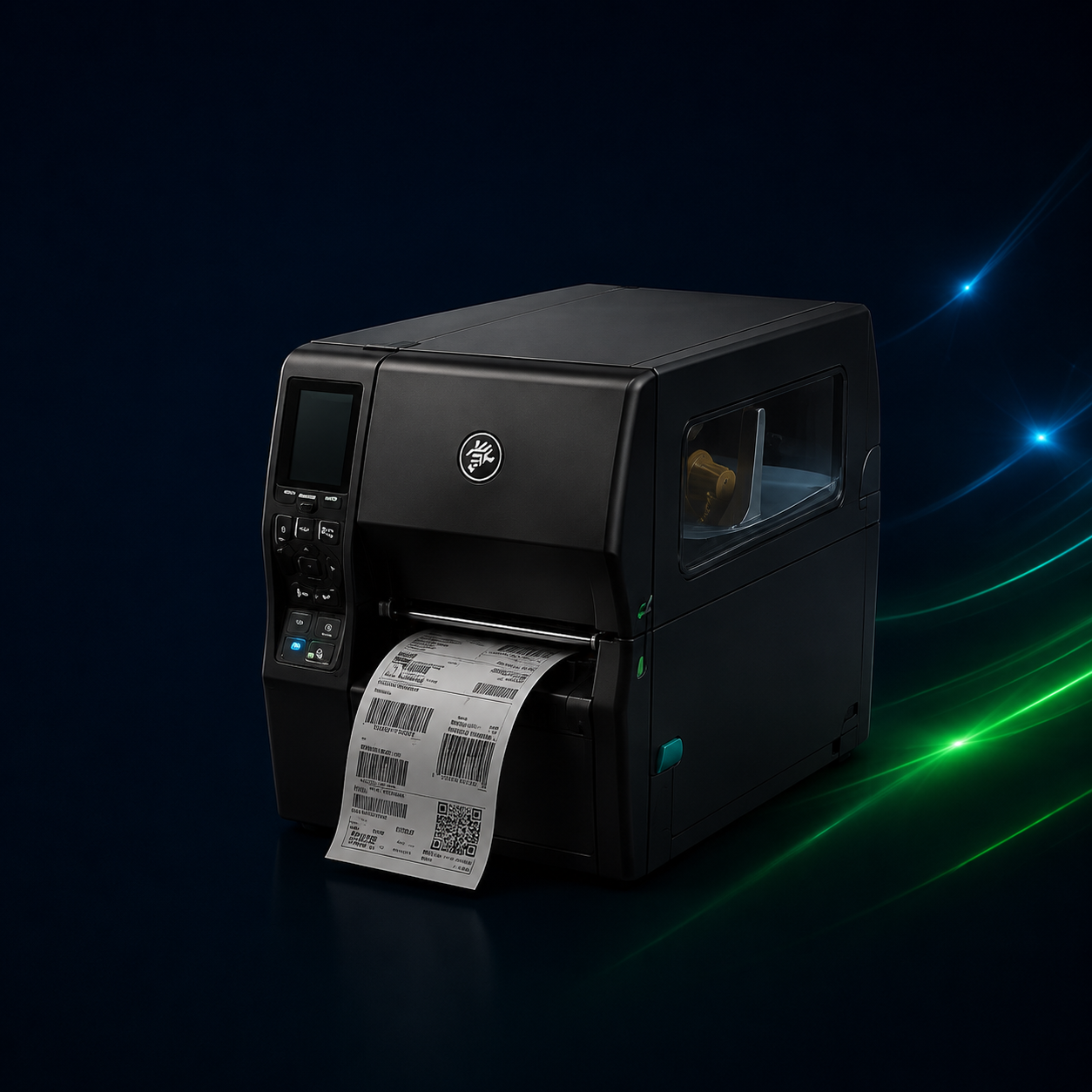
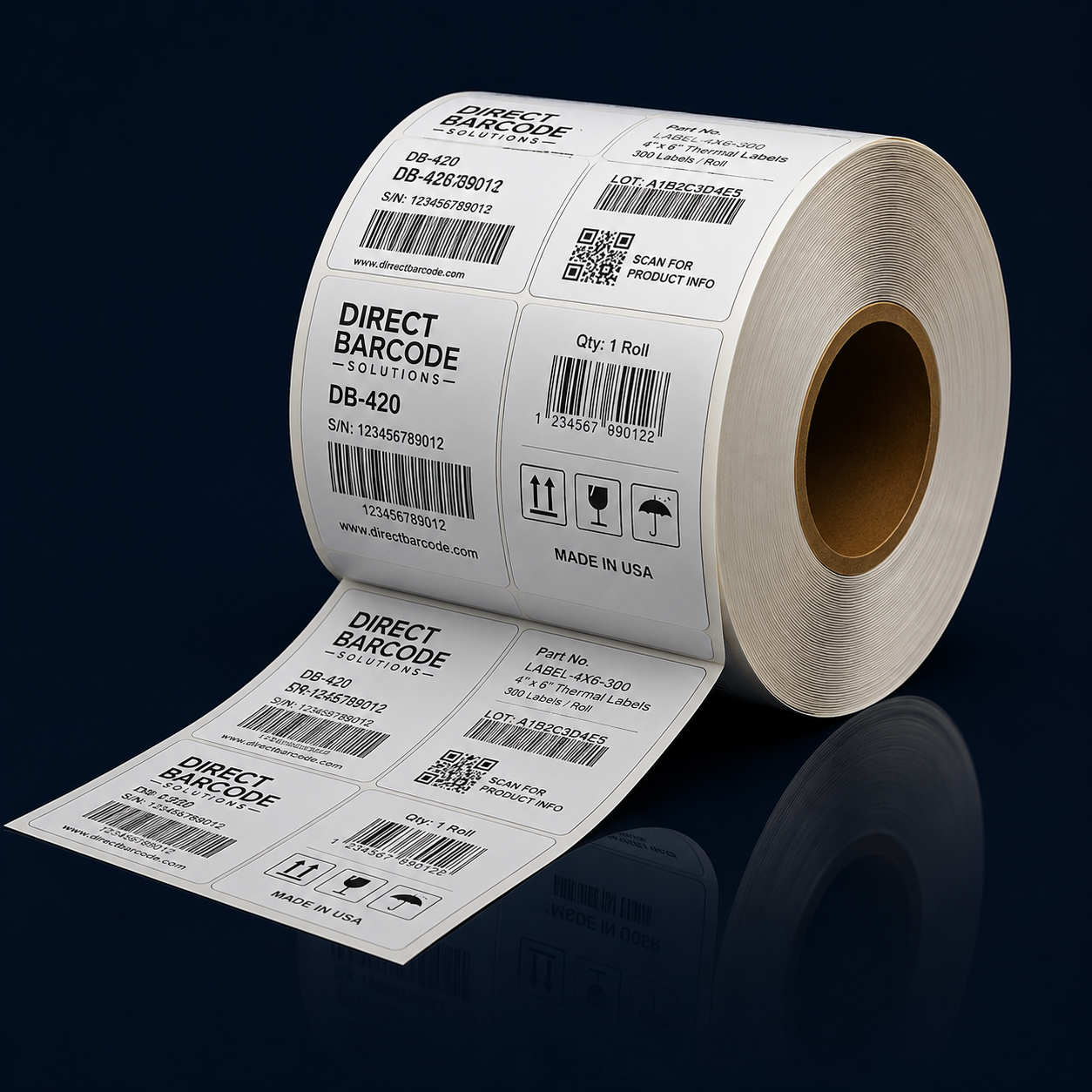
Thermal barcode printers are widely used in healthcare because they deliver consistent print quality and require minimal maintenance. Thermal transfer printers are often preferred for healthcare applications because they produce durable labels that resist smudging, moisture, and chemical exposure. These labels are suitable for long-term use on medical equipment, patient wristbands, and lab samples.
Direct thermal printers are also used in healthcare settings for short-term labeling needs. They are commonly used for temporary labels, such as appointment tags or short-term specimen identification. While direct thermal labels are cost-effective and easy to use, they are best suited for applications where label longevity is not critical.
Environmental factors must also be considered when selecting barcode printing solutions for healthcare. Labels may be exposed to cleaning agents, refrigeration, or frequent handling. Choosing appropriate label materials and adhesives ensures labels remain intact and readable throughout their intended use. This reliability supports accurate scanning and compliance with safety standards.
Integration with healthcare information systems further enhances the effectiveness of barcode printing. Barcode printers that work seamlessly with electronic health records, laboratory systems, and pharmacy software ensure that printed labels reflect accurate and up-to-date information. This integration reduces manual data entry and supports efficient, error-resistant workflows.
Healthcare barcode printing supports compliance, accuracy, and safety by providing reliable identification and tracking across clinical environments. By investing in dependable barcode printers and appropriate labeling materials, healthcare organizations can reduce errors, meet regulatory requirements, and protect patient well-being. Consistent, high-quality barcode printing remains a foundational component of modern healthcare operations.