Best Barcode Printers for Warehouses & Distribution Centers
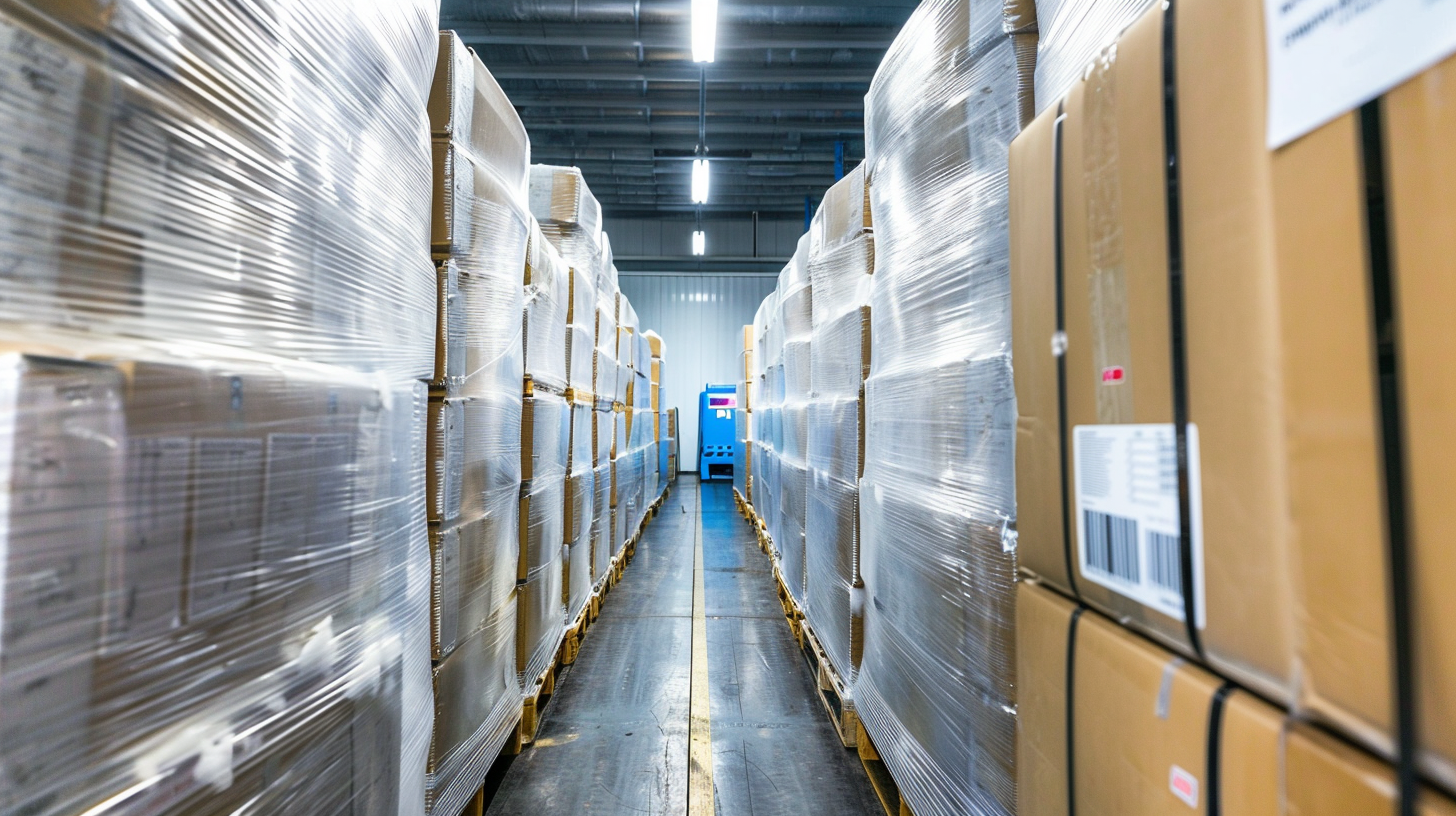
Warehouses and distribution centers depend on speed, accuracy, and reliability to keep goods moving efficiently. Barcode printers play a critical role in labeling inventory, pallets, bins, and shipments, ensuring products are tracked accurately throughout the supply chain. Choosing the right barcode printer for a warehouse or distribution center can significantly improve productivity while reducing errors and downtime.
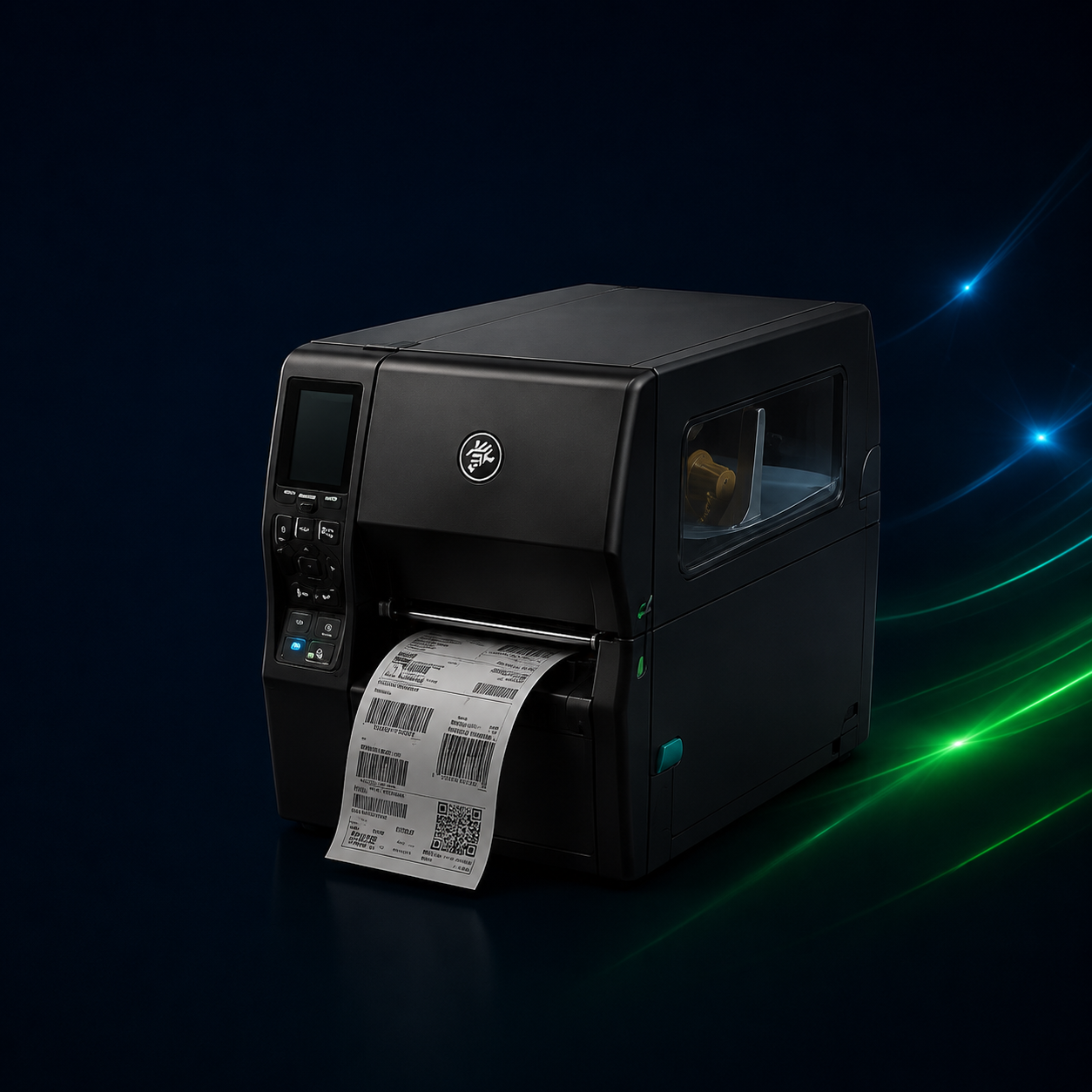
High-volume environments require barcode printers built for continuous use. Industrial barcode printers are the most common choice for warehouses because they are designed to handle heavy workloads without sacrificing print quality. These printers feature durable construction, high print speeds, and the ability to support large label rolls, which minimizes interruptions caused by frequent media changes. In operations where labels are printed around the clock, durability and uptime are essential.
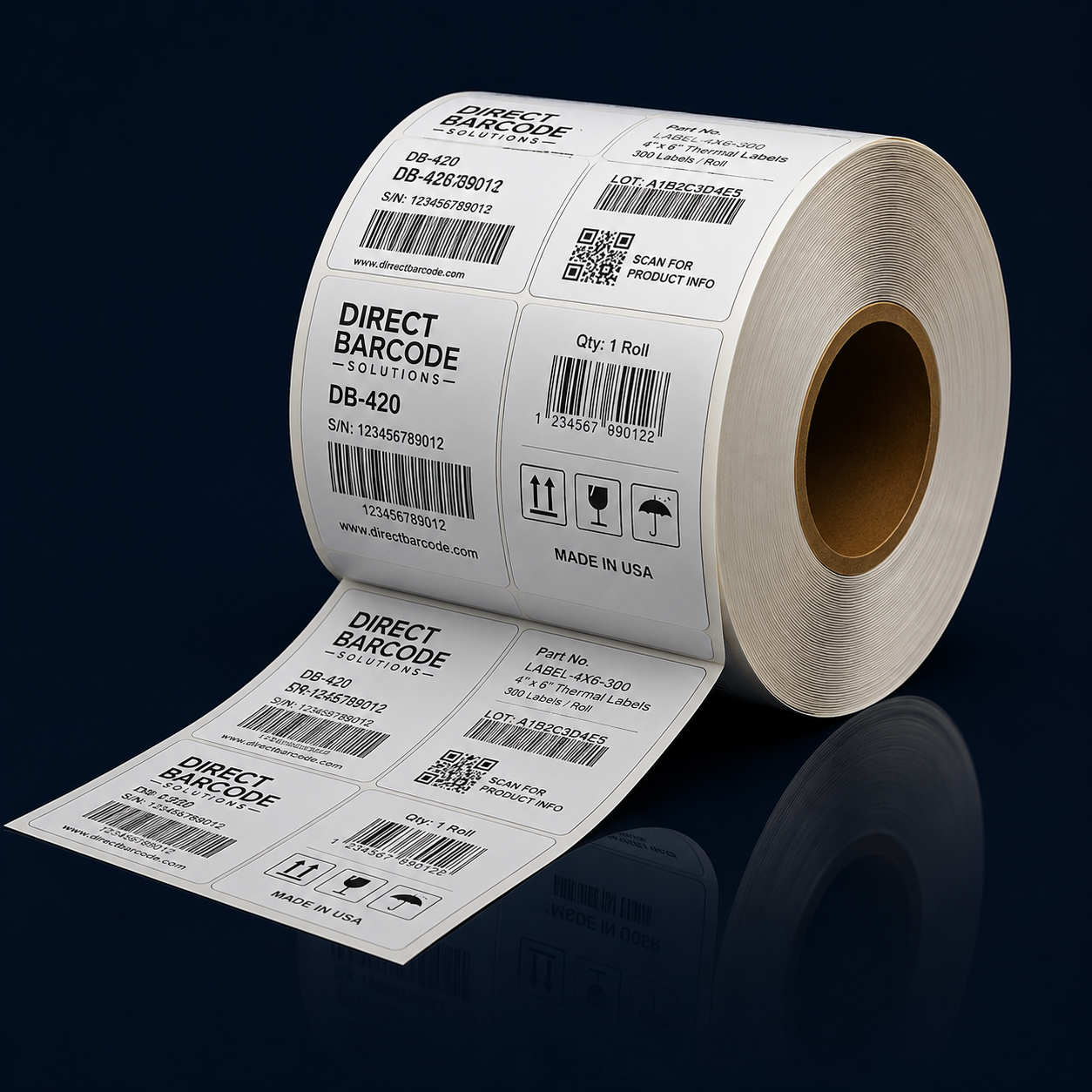
Thermal printing technology is widely used in warehouse and distribution environments due to its reliability and low maintenance. Thermal barcode printers produce clear, high-contrast labels that scan accurately, even in fast-paced settings. Thermal transfer printers are often preferred for warehouse applications because they create durable labels that resist fading, smudging, and abrasion. These labels are ideal for pallet tags, rack labels, and long-term inventory identification.
Direct thermal printers are also used in distribution centers, particularly for shipping labels and short-term applications. These printers are simple to operate and do not require ribbons, making them efficient for high-speed shipping operations. While direct thermal labels are not designed for long-term durability, they perform well for outbound shipments where labels only need to last through transit.
Print speed and capacity are important factors when selecting a barcode printer for warehouse use. Printers with higher print speeds help prevent bottlenecks during peak periods, such as seasonal demand spikes or large inbound shipments. Larger media capacity allows teams to print more labels without stopping to reload supplies, keeping workflows uninterrupted.
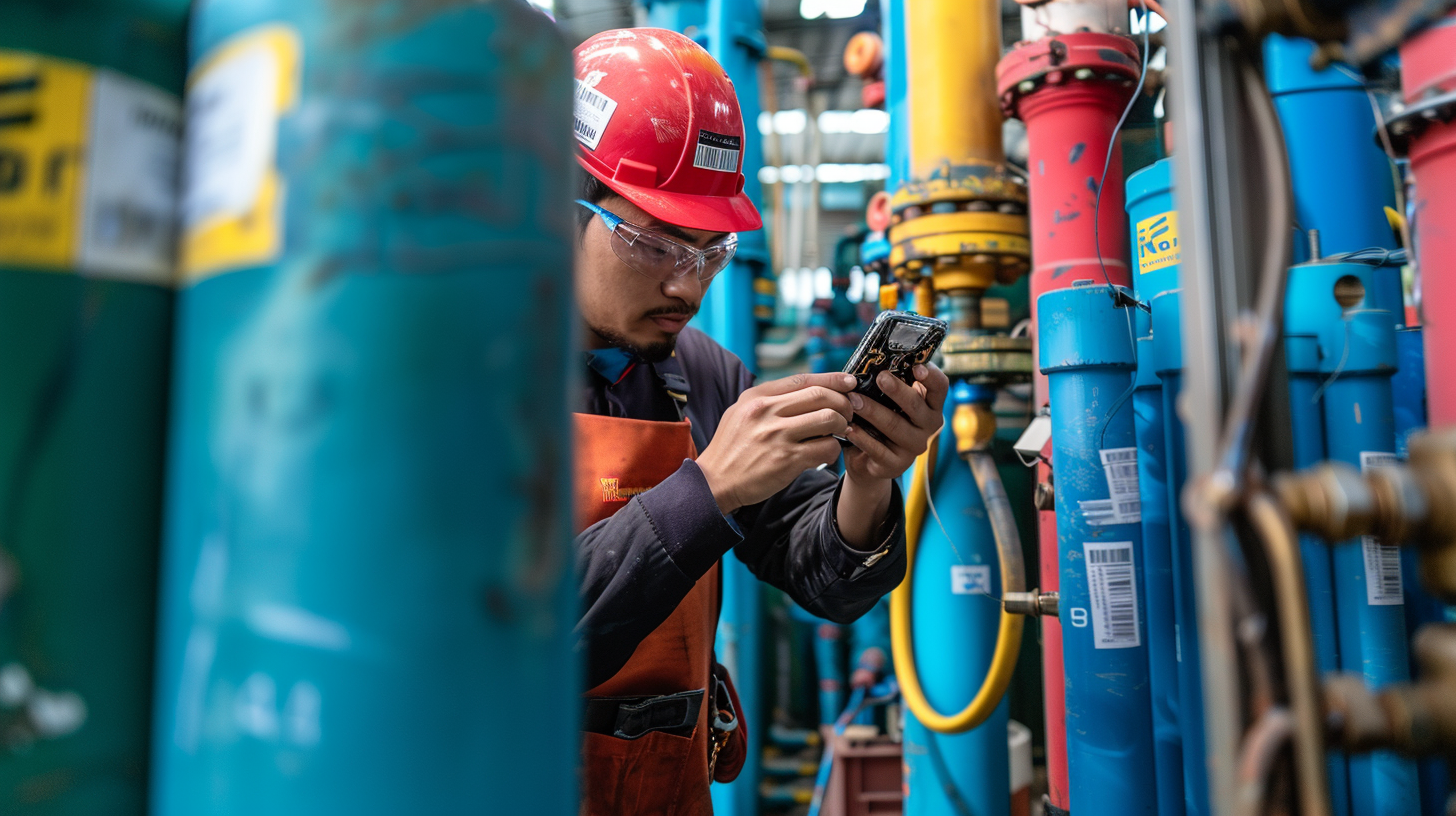
Environmental conditions should also be considered. Warehouses and distribution centers often expose equipment to dust, temperature changes, and constant movement. Industrial barcode printers are built to operate reliably in these conditions, while lighter-duty printers may struggle. Choosing equipment designed for the environment helps reduce breakdowns and extend printer lifespan.
Integration with warehouse management systems is another key requirement. Modern barcode printers are designed to connect seamlessly with inventory management, shipping, and enterprise systems. Network and wireless connectivity allow multiple workstations to access the printer, improving flexibility and efficiency. Proper integration ensures that printed labels always reflect accurate, up-to-date information.
Cost considerations go beyond the initial purchase price. While industrial barcode printers require a higher upfront investment, they often provide better long-term value through durability, performance, and reduced downtime. Warehouses that rely on continuous labeling benefit from equipment that minimizes maintenance and supports growth over time.
The best barcode printers for warehouses and distribution centers are those that combine durability, speed, and reliability. By selecting printers designed for high-volume environments and matching them to specific labeling needs, businesses can improve accuracy, streamline operations, and maintain consistent performance across their supply chain. Reliable barcode printing supports efficient warehouse operations and helps distribution centers meet increasing demands with confidence.