Barcode Labels 101: Materials, Adhesives, and Use Cases
Barcode labels are a foundational part of inventory tracking, shipping, asset management, and operational accuracy. While barcode printers often get the most attention, the label itself plays an equally important role in ensuring reliable scanning and long-term performance. Choosing the right barcode label requires understanding label materials, adhesive types, and how each option supports specific use cases.
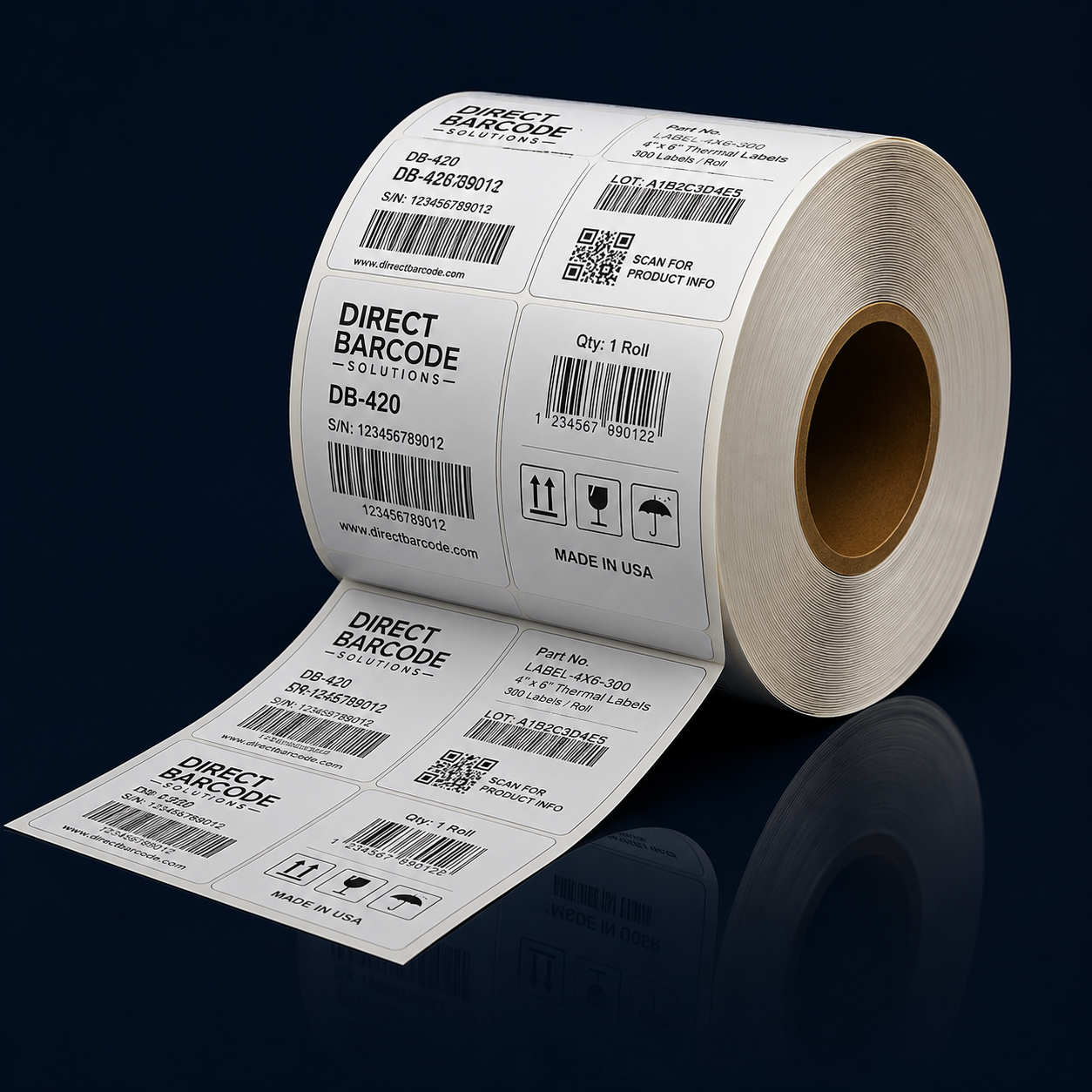
Barcode label materials determine how well a label performs in different environments. Paper labels are the most common and cost-effective option. They are widely used for shipping labels, short-term inventory tracking, and general office applications. Paper labels work well in controlled environments but are not designed to withstand moisture, heat, or heavy handling over time.
Synthetic labels offer greater durability than paper. Materials such as polypropylene and polyester are designed to resist water, chemicals, abrasion, and temperature changes. These labels are commonly used in warehouses, manufacturing facilities, healthcare settings, and outdoor environments. When labels must remain readable for long periods or under harsh conditions, synthetic materials provide a more reliable solution.
Adhesives are just as important as label materials. Permanent adhesives are designed to bond strongly to surfaces and remain in place for the life of the label. These adhesives are ideal for asset tags, compliance labels, product identification, and long-term inventory tracking. Once applied, permanent adhesive labels are difficult to remove without damage.
Removable adhesives allow labels to be removed cleanly without leaving residue. These are often used for temporary labeling, such as short-term storage, shelving changes, or reusable containers. Removable labels are helpful in environments where labels need to be updated frequently without damaging surfaces.
Some applications require specialty adhesives designed for challenging surfaces. High-tack adhesives bond effectively to rough, textured, or low-energy surfaces such as plastic bins, metal racks, and cardboard cartons. Freezer-grade adhesives are designed to perform in cold storage environments, maintaining adhesion even at low temperatures. Selecting the right adhesive ensures labels stay in place and remain scannable throughout their use.
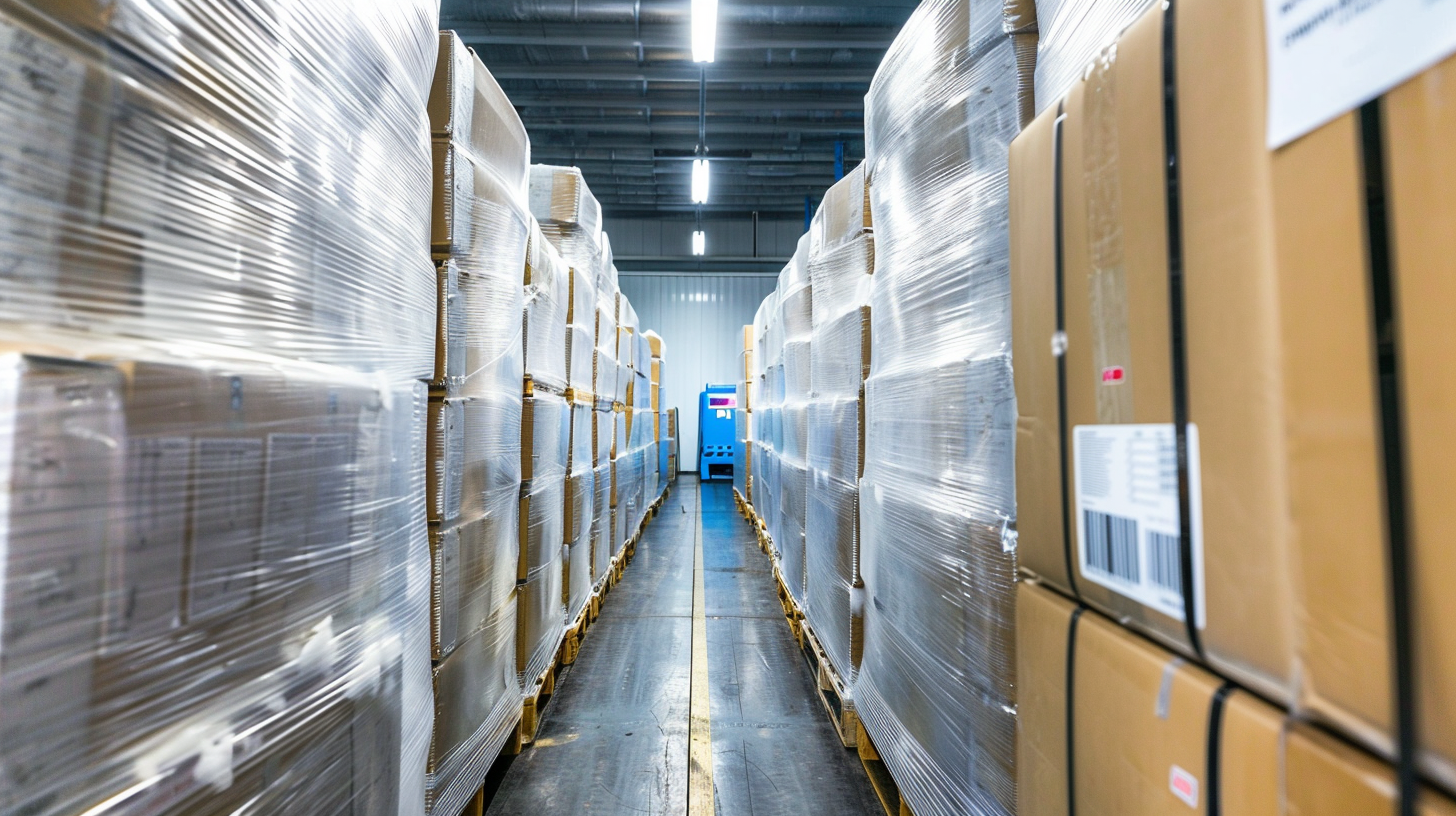
Barcode label use cases vary widely across industries. In shipping and fulfillment, direct thermal paper labels are commonly used because they are cost-effective and designed for short-term use. These labels perform well during transit but are not intended for long-term storage. In warehousing and manufacturing, thermal transfer labels with durable materials are often preferred to ensure barcodes remain readable over time.
Asset tracking applications require labels that can withstand frequent handling and environmental exposure. Durable synthetic labels combined with strong adhesives are commonly used for equipment, tools, and containers. In healthcare and laboratory environments, barcode labels must meet strict accuracy and durability requirements to ensure patient safety and regulatory compliance.
Label size and design also impact performance. Barcodes must be sized appropriately to ensure scanners can read them accurately. Labels that are too small or poorly formatted may cause scanning issues, even if printed clearly. Matching label size and material to the application helps maintain consistent performance.
Understanding barcode labels involves more than selecting the cheapest option. The right combination of material, adhesive, and design ensures labels perform reliably in real-world conditions. By choosing barcode labels that align with environmental demands and operational needs, businesses can improve accuracy, reduce reprints, and maintain efficient workflows across inventory, shipping, and asset tracking operations.