Barcode Printers for Logistics & Shipping Companies
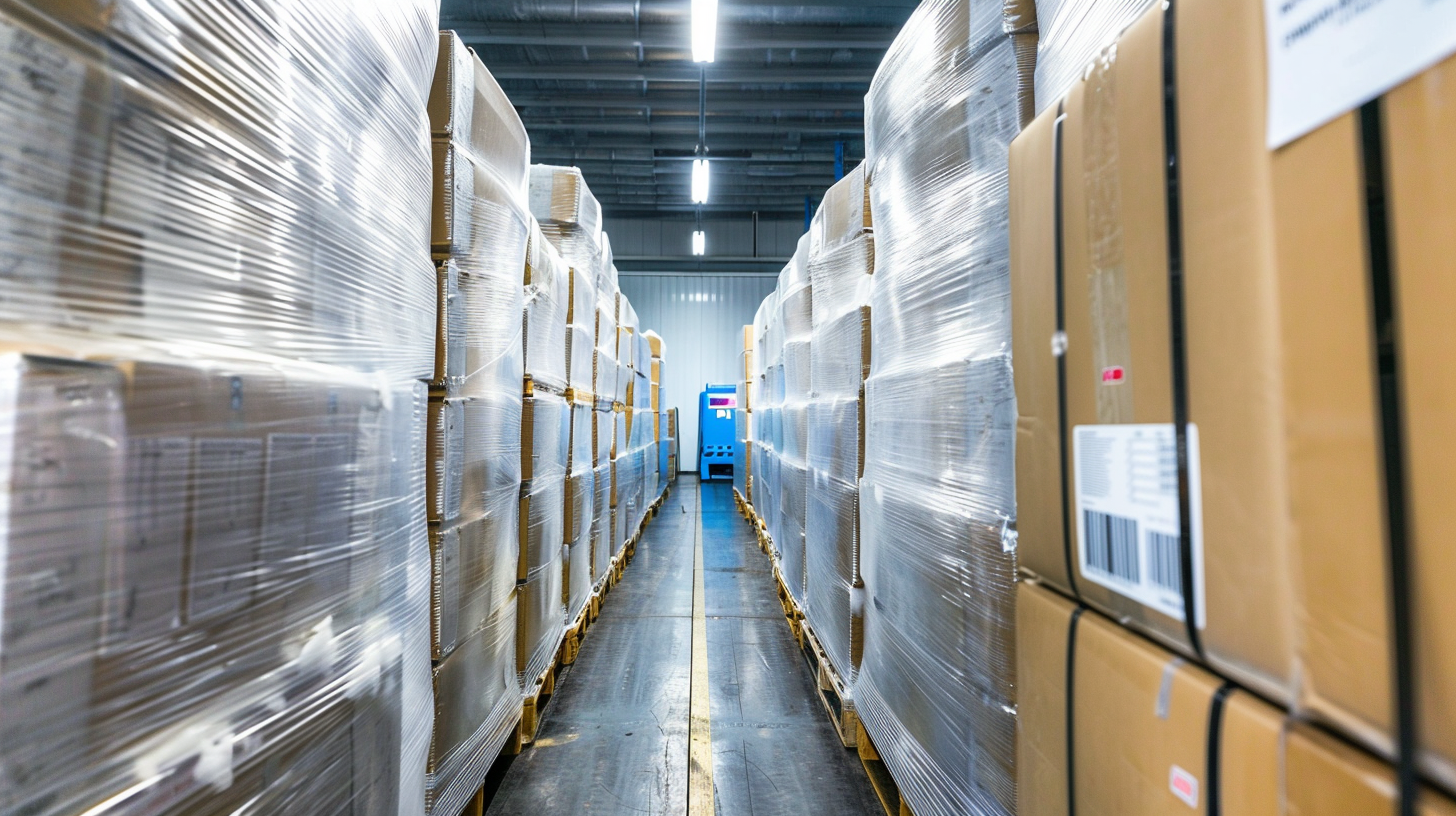
Logistics and shipping companies operate in fast-moving environments where accuracy and speed are critical. From inbound freight and sorting to last-mile delivery, barcode printers support nearly every step of the logistics process. Reliable barcode printing helps ensure shipments are tracked correctly, routed efficiently, and delivered on time.
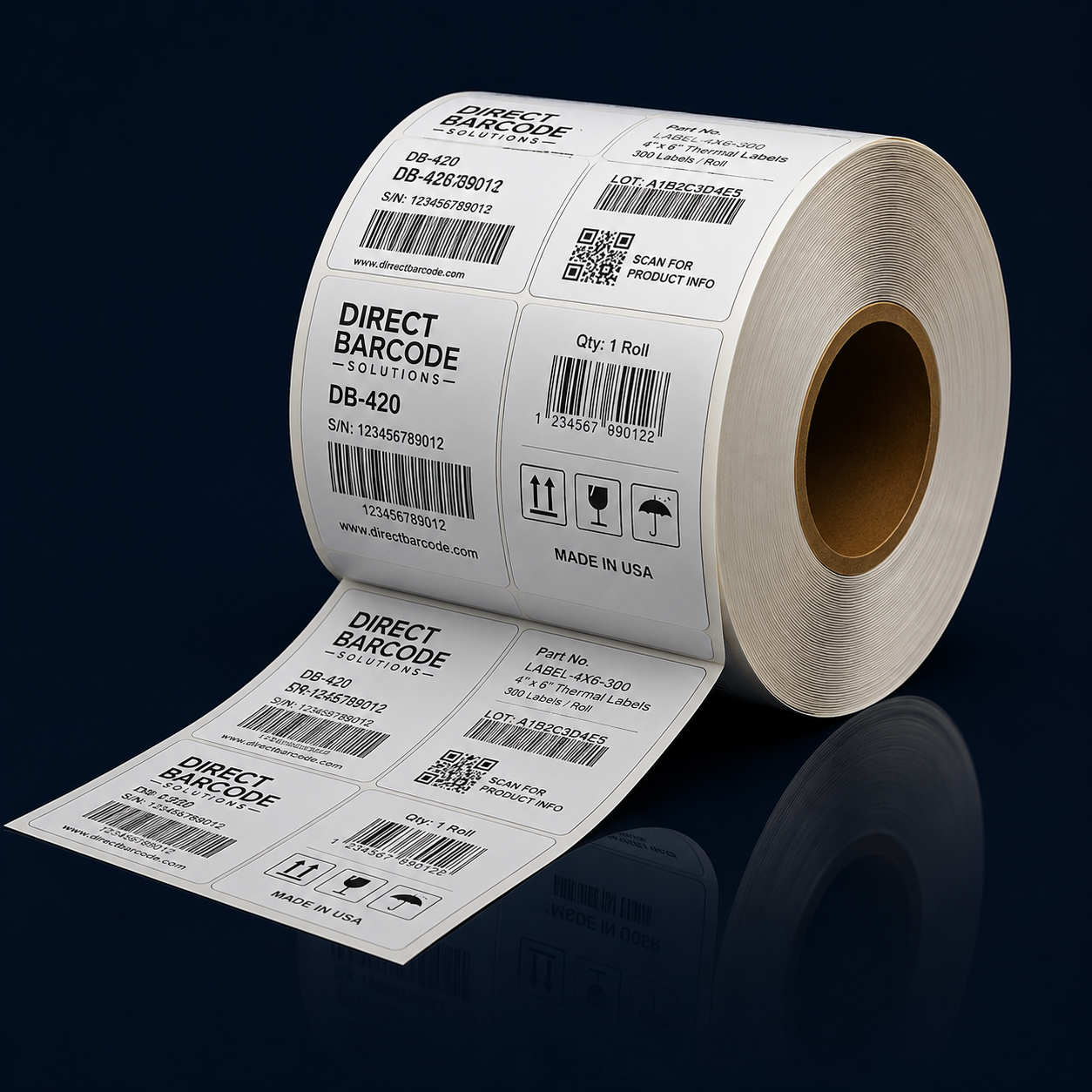
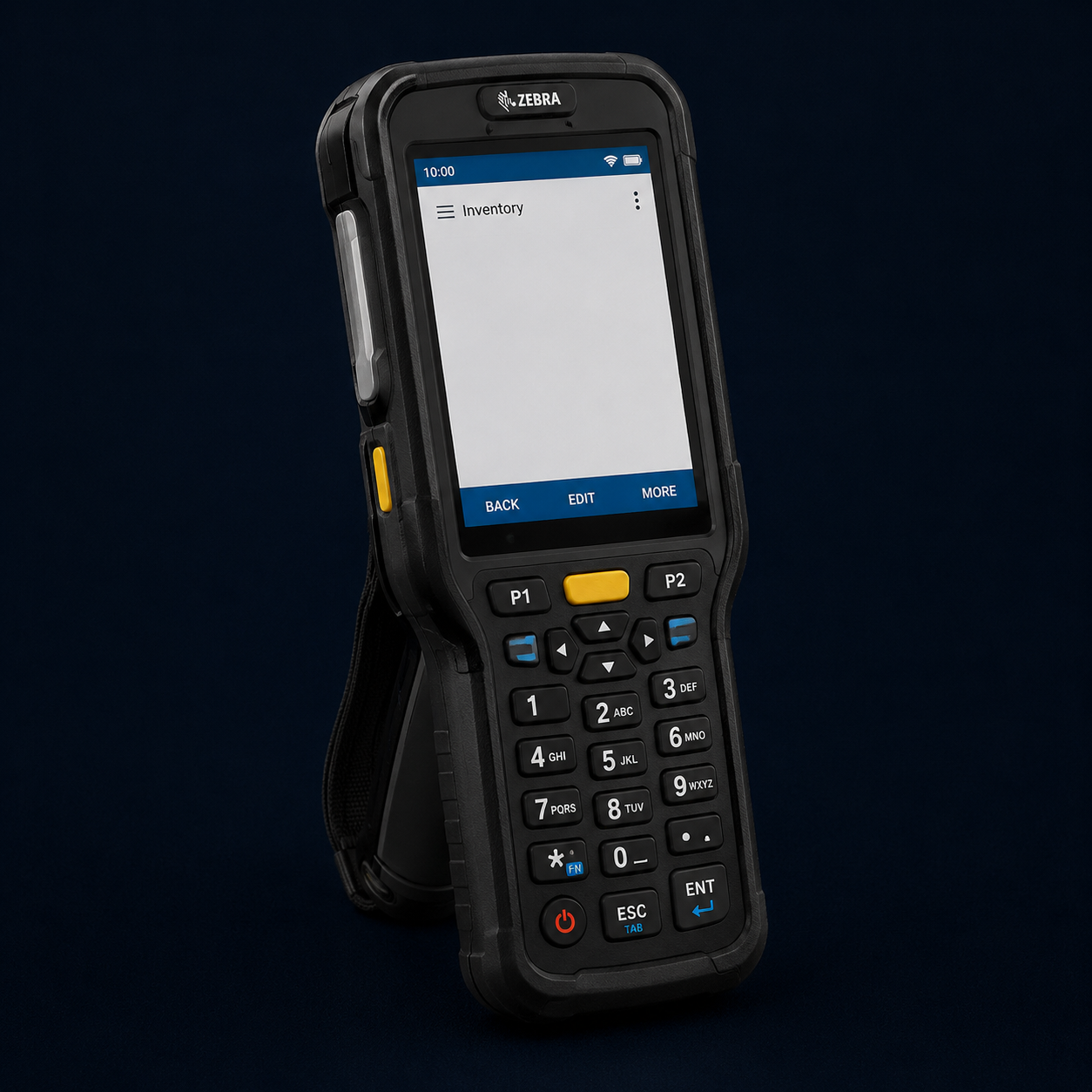
Barcode printers are used throughout logistics operations to label packages, pallets, containers, and documents. Clear, scannable barcodes allow workers and automated systems to identify shipments quickly. By reducing manual data entry, barcode printing minimizes errors that can cause delays, misrouted packages, or lost inventory. Accurate labeling is essential for maintaining visibility across complex supply chains.
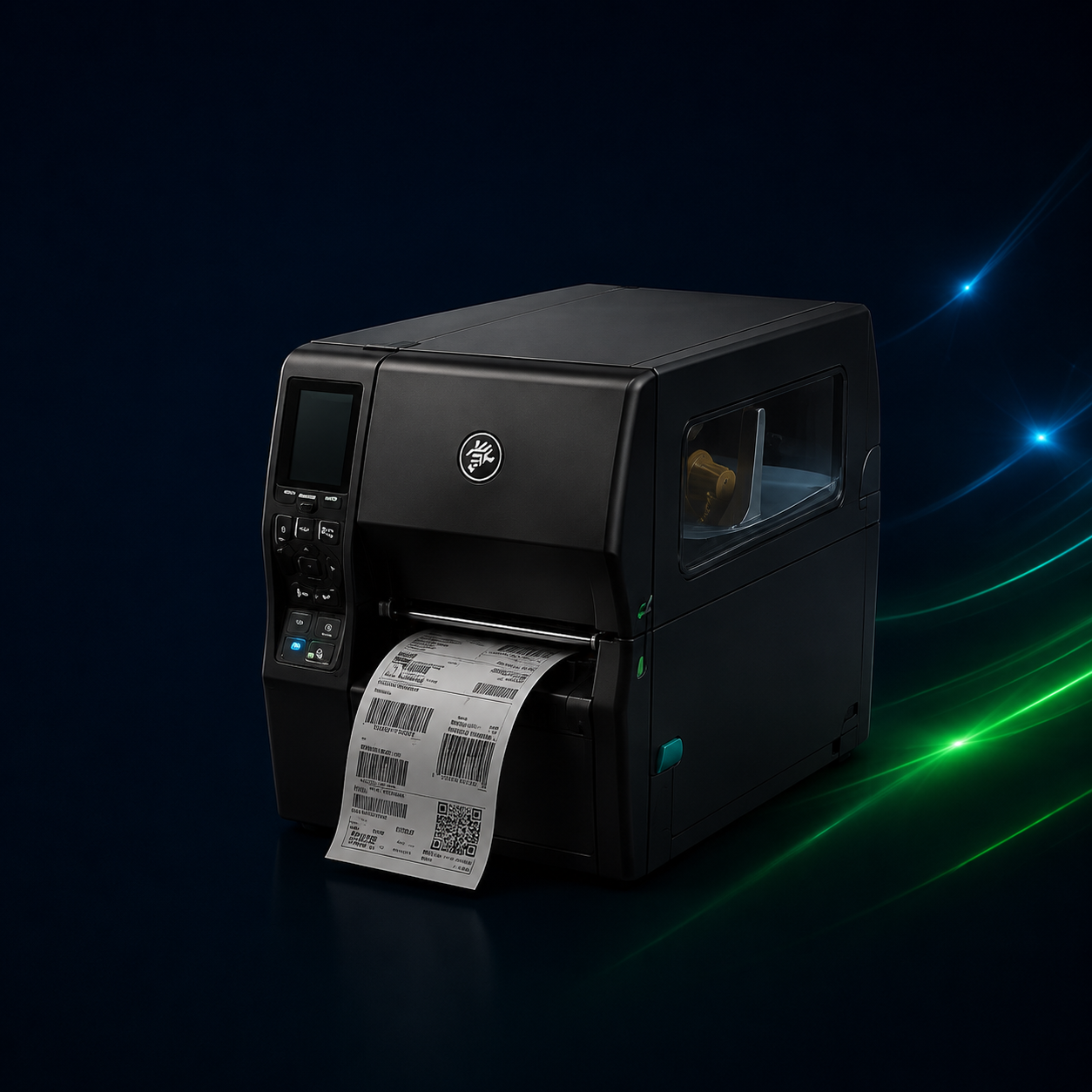
Thermal barcode printers are the standard choice for logistics and shipping companies. These printers produce high-contrast labels that scan reliably at high speeds. Direct thermal printers are commonly used for shipping labels because they do not require ink or ribbons and are easy to maintain. Since shipping labels are typically used for short periods, direct thermal printing provides a cost-effective and efficient solution.
Thermal transfer printers are also widely used in logistics, especially for applications requiring more durable labels. Pallet labels, container tags, and inventory labels often need to withstand handling, friction, and varying environmental conditions. Thermal transfer printing creates labels that resist fading and smudging, ensuring barcodes remain readable throughout extended shipping or storage cycles.
High-volume performance is a key requirement in logistics environments. Shipping companies often print thousands of labels per day, particularly during peak seasons. Industrial barcode printers are designed to handle continuous printing without overheating or slowing down. Their high print speeds and large media capacity help prevent bottlenecks and keep operations running smoothly.
Durability is another important factor. Logistics facilities expose equipment to dust, vibration, and constant activity. Industrial barcode printers are built with rugged components that perform reliably under these conditions. Using printers designed for heavy-duty use reduces downtime and extends equipment lifespan, which is critical for operations that rely on uninterrupted workflows.
System integration plays a major role in logistics efficiency. Barcode printers must work seamlessly with transportation management systems, warehouse management platforms, and carrier software. Integration ensures labels reflect accurate shipment data, tracking numbers, and destination information. Network and wireless connectivity allow multiple workstations to access printers, improving flexibility across sorting and packing areas.
Cost considerations extend beyond the initial purchase. While industrial barcode printers require a higher upfront investment, they often deliver better long-term value through reliability, reduced maintenance, and fewer operational disruptions. Choosing equipment that matches print volume and environmental demands helps logistics companies avoid frequent replacements and hidden costs.
Barcode printers are essential tools for logistics and shipping companies that depend on speed, accuracy, and traceability. By selecting reliable printers designed for high-volume environments and integrating them with operational systems, logistics providers can improve efficiency, reduce errors, and maintain customer satisfaction. Effective barcode printing supports smooth operations from pickup to final delivery.