Best Barcode Printers for Inventory Management & Asset Tracking
Effective inventory management and asset tracking depend on accurate, consistent labeling. Barcode printers play a critical role in helping businesses monitor stock levels, track equipment, and reduce losses caused by manual errors. Choosing the right barcode printer ensures that labels remain readable, scannable, and reliable throughout their intended lifecycle, supporting smoother operations and better data accuracy.
Barcode printers used for inventory and asset tracking must deliver durability and precision. Labels are often handled frequently, exposed to varying environments, and required to remain legible over long periods. Thermal printing technology is widely used in these applications because it produces clear, high-contrast barcodes that scanners can read quickly and accurately. Compared to ink-based printers, thermal barcode printers offer greater consistency and require less maintenance.
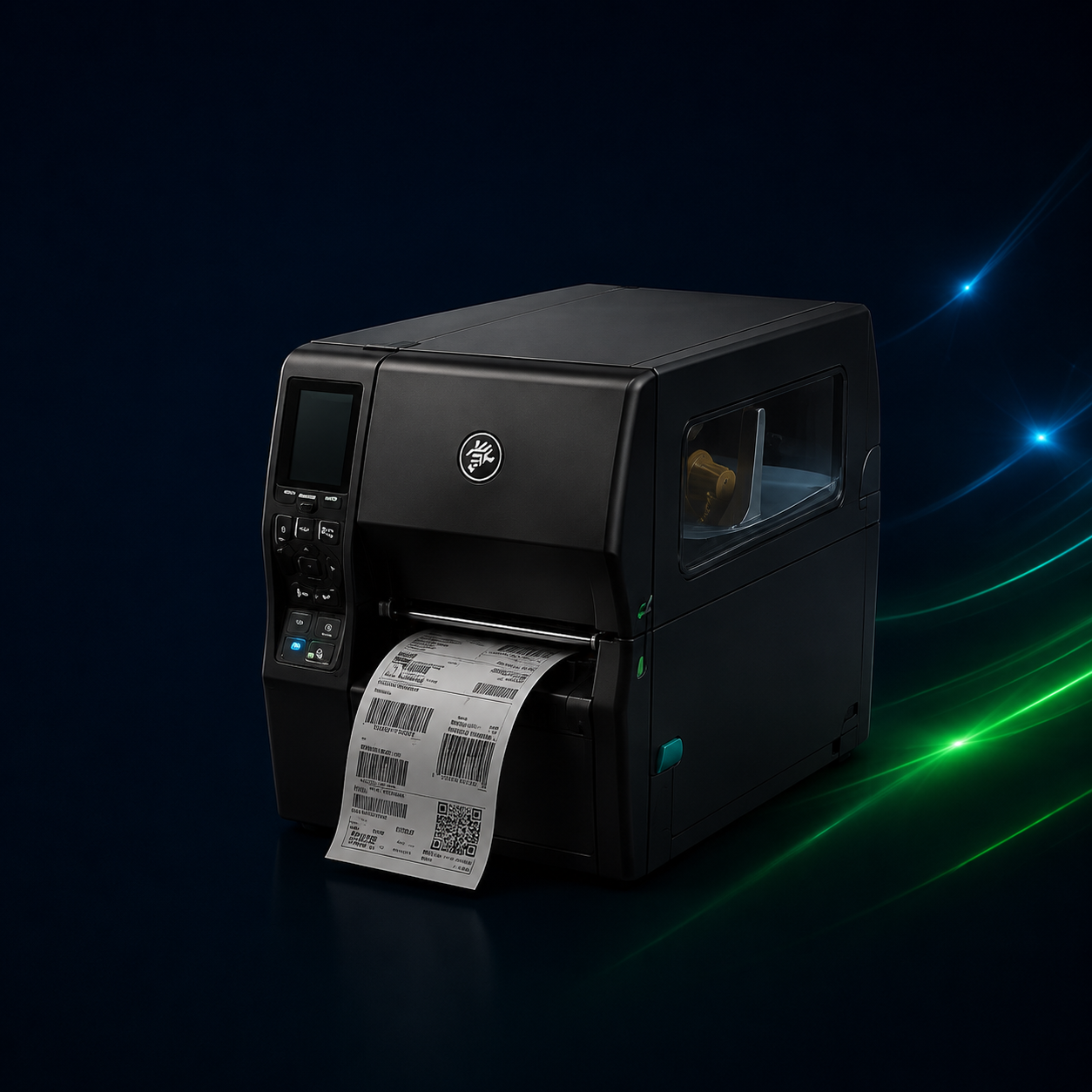
Thermal transfer barcode printers are commonly used for inventory management and asset tracking because they produce long-lasting labels. By using a ribbon to transfer ink onto the label surface, thermal transfer printing creates labels that resist fading, smudging, and environmental exposure. These printers are ideal for labeling shelves, bins, pallets, tools, and equipment that need to be tracked over months or years. In environments such as warehouses, manufacturing facilities, and healthcare settings, durability is essential for maintaining accurate records.
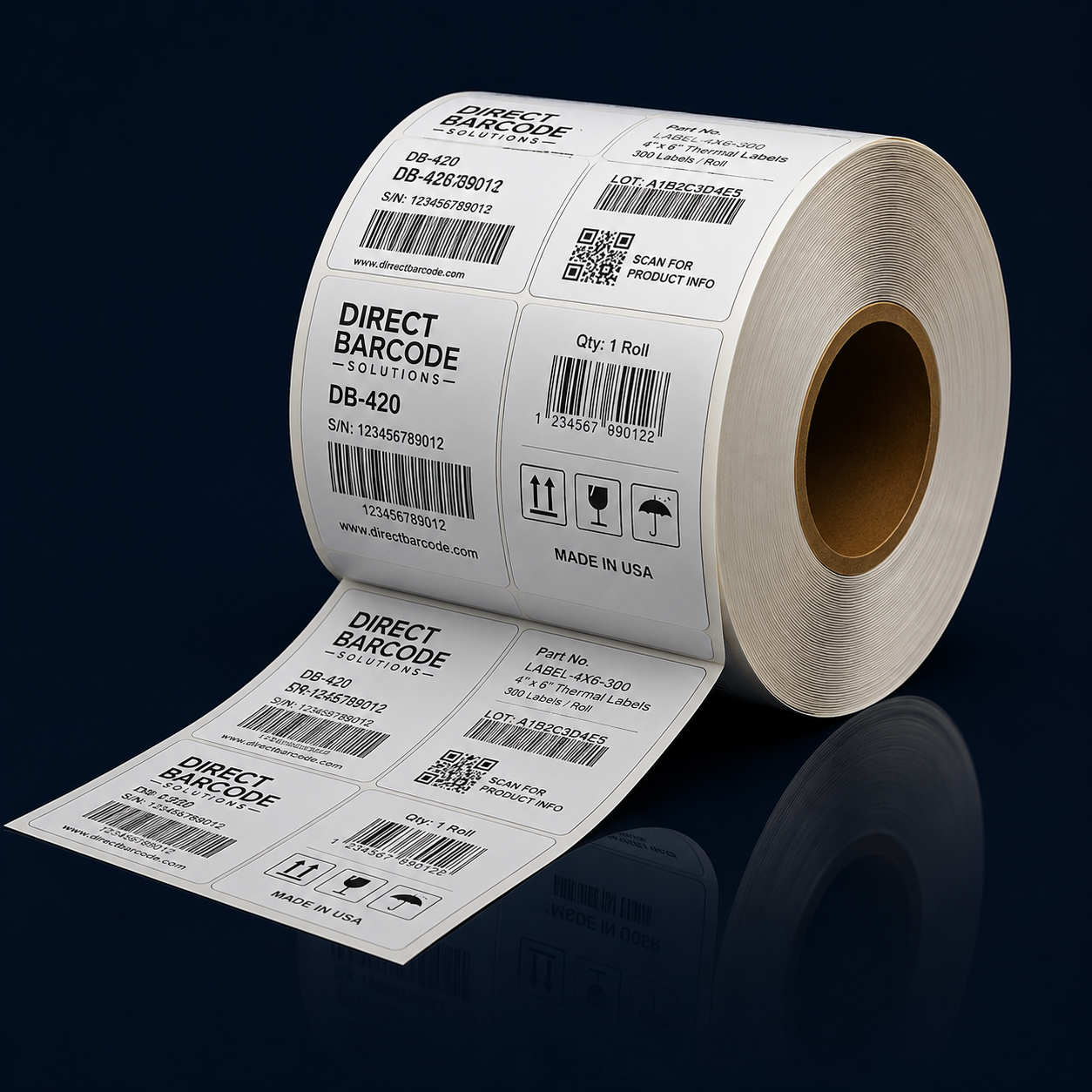
Direct thermal barcode printers are also used in inventory workflows, particularly for short-term tracking needs. These printers print directly onto heat-sensitive labels without ribbons, making them easy to operate and cost-effective. Direct thermal printing is well suited for temporary inventory labels, work-in-progress tracking, and items that move quickly through a facility. While these labels may not last as long as thermal transfer labels, they perform well in fast-paced environments with high inventory turnover.
Print volume and workflow requirements should guide printer selection. Businesses with high inventory movement often benefit from industrial-grade barcode printers designed to handle continuous printing. These printers offer higher print speeds, larger media capacity, and durable construction that supports long-term use. Smaller operations or office-based asset tracking may find desktop barcode printers sufficient, as they provide reliable performance for moderate label volumes in compact spaces.
Integration with inventory management systems is another important consideration. Modern barcode printers are designed to work seamlessly with warehouse management software, enterprise resource planning systems, and asset tracking platforms. Network and wireless connectivity allow multiple users to access the printer, improving efficiency and reducing bottlenecks. This integration ensures that label data stays accurate and aligned with digital records.
Cost and long-term value also influence printer selection. While industrial printers require a higher upfront investment, they often deliver better performance and longevity in demanding environments. Desktop printers offer a lower entry point and are well suited for businesses with lighter labeling needs. Evaluating total cost of ownership, including supplies and maintenance, helps businesses choose a solution that fits both operational and budget requirements.
The best barcode printers for inventory management and asset tracking are those that balance durability, accuracy, and efficiency. By selecting the right printer based on label lifespan, print volume, and system integration, businesses can improve visibility, reduce errors, and maintain control over inventory and assets as operations grow.