How Long Do Barcode Printers Last? Industrial vs Office Models
Barcode printers are critical tools for businesses that depend on accurate labeling for inventory, shipping, and asset tracking. While many companies focus on upfront cost when choosing a printer, lifespan is just as important. How long a barcode printer lasts depends largely on whether it is designed for industrial or office use, as well as how it is operated and maintained.
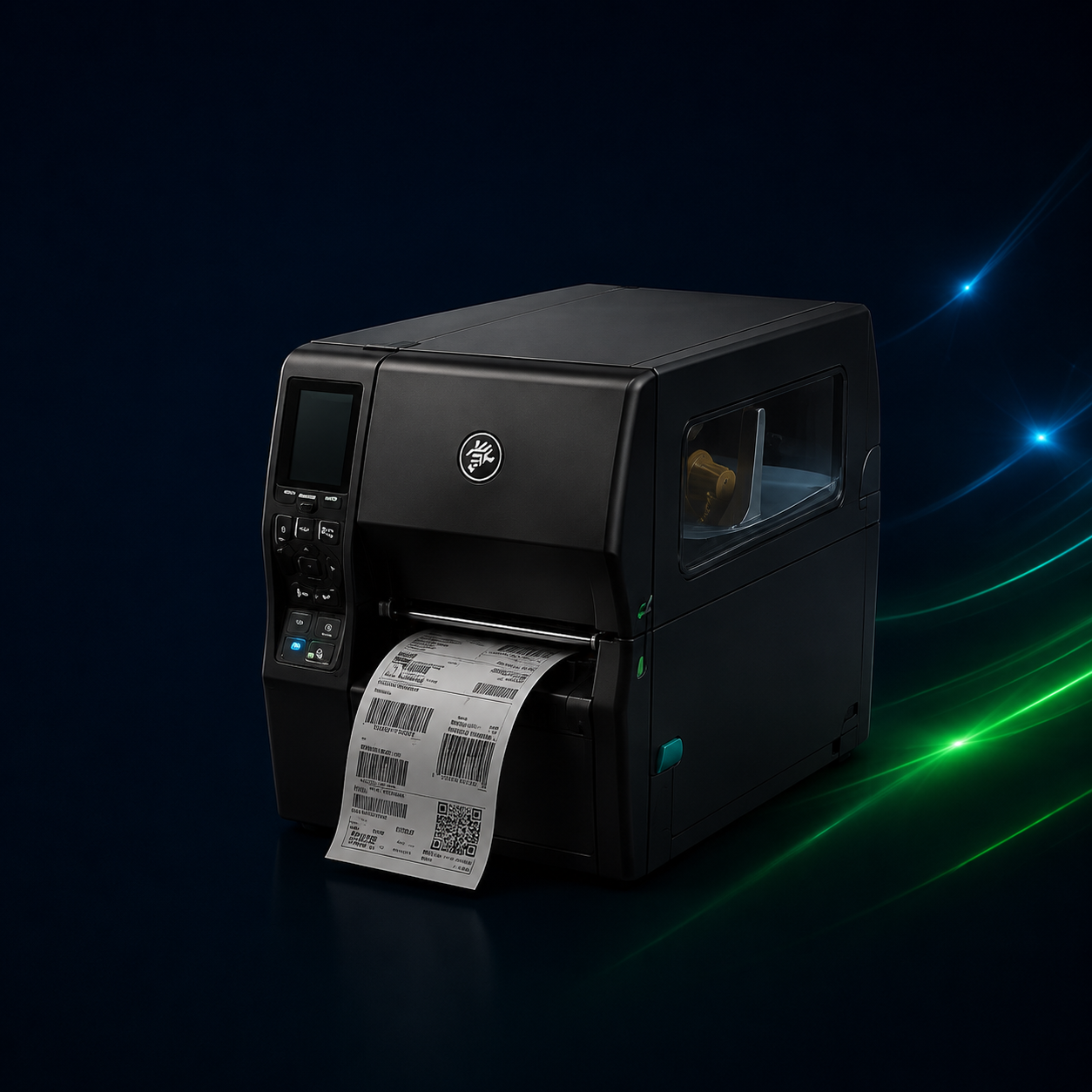
Industrial barcode printers are engineered for demanding environments and heavy workloads. These printers are commonly used in warehouses, manufacturing plants, and distribution centers where labels are printed continuously throughout the day. With proper maintenance, industrial barcode printers can last anywhere from five to ten years, and in some cases even longer. Their metal construction, high-quality internal components, and ability to handle large media rolls contribute to their long service life.
Office or desktop barcode printers are built for lighter-duty use. These models are typically found in offices, retail stores, clinics, and small businesses where label printing is intermittent rather than constant. Desktop printers are compact and cost-effective, but they are not designed to handle sustained high-volume printing. Most office barcode printers last between three and five years, depending on usage and care.
Print volume plays a major role in determining how long a barcode printer lasts. Printers that operate within their recommended duty cycle tend to perform reliably over time. When printers are pushed beyond their intended capacity, components wear out more quickly. Using an office printer for high-volume warehouse printing often leads to overheating, mechanical failures, and shortened lifespan.
Maintenance habits also have a significant impact on printer longevity. Regular cleaning of the printhead, rollers, and sensors helps maintain print quality and prevents premature wear. Using compatible labels and ribbons reduces residue buildup and mechanical strain. Printers that receive consistent maintenance generally last longer and experience fewer unexpected breakdowns.
Environmental conditions further separate industrial and office models. Industrial printers are built to operate in dusty, high-traffic, and temperature-variable environments. Office printers perform best in clean, climate-controlled settings. When office printers are exposed to harsh conditions, their components degrade faster, leading to more frequent repairs and earlier replacement.
Technology support is another factor that affects how long a printer remains usable. As software systems evolve, older printers may lose compatibility with operating systems or warehouse management platforms. Industrial printers often receive longer manufacturer support and firmware updates, allowing them to stay in service longer. Office models may become outdated sooner, even if they are still functional.
Ultimately, the lifespan of a barcode printer is determined by how well the printer matches the business’s operational needs. Industrial barcode printers offer long-term durability for high-volume and demanding environments. Office barcode printers provide an affordable solution for low to moderate printing needs but have a shorter lifespan under heavy use.
Understanding these differences helps businesses choose the right printer from the start, reduce replacement costs, and maintain consistent labeling performance. Selecting a barcode printer designed for the workload and environment ensures reliable operation and better long-term value.