Are Refurbished Barcode Printers Worth It? Pros, Cons, and Savings
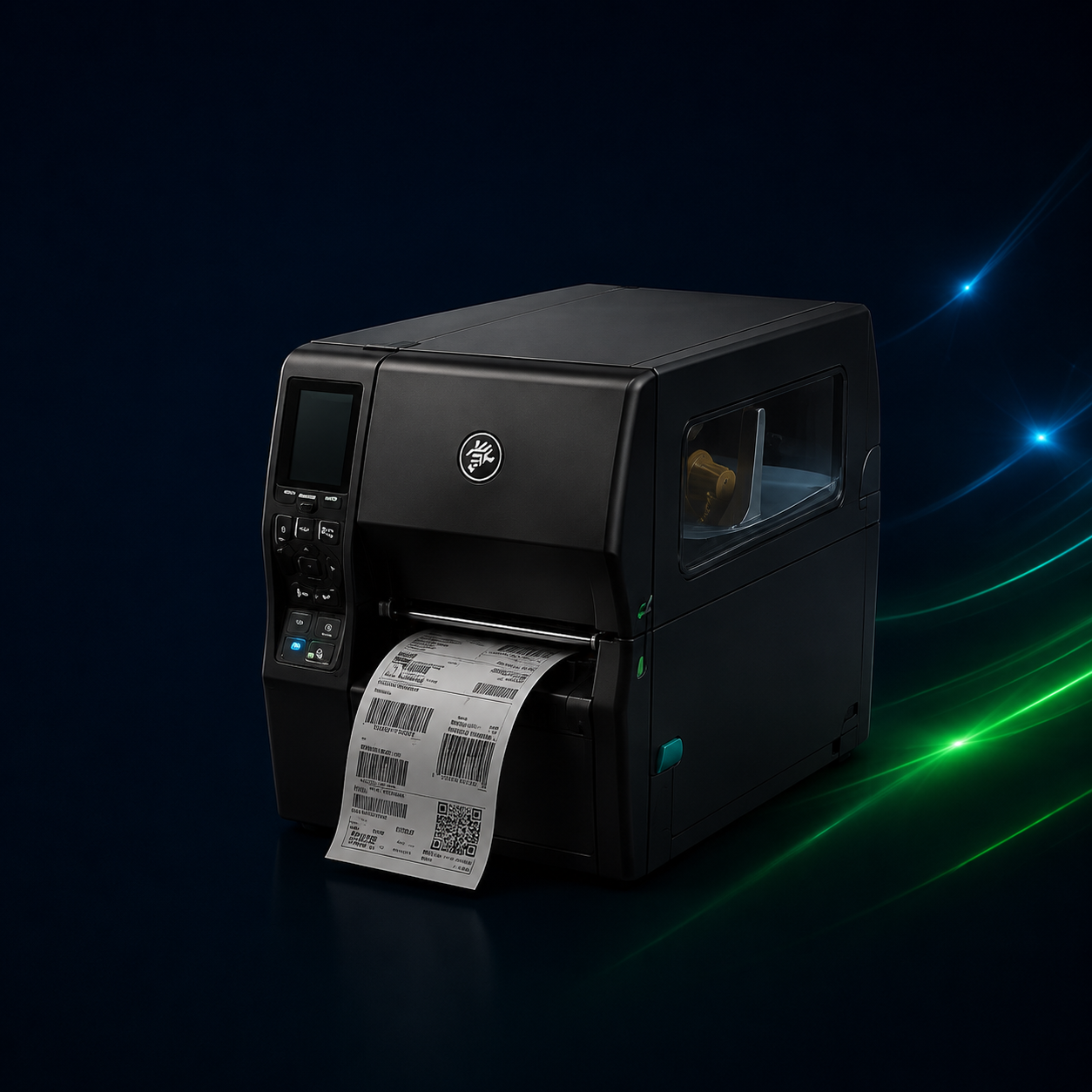
Refurbished barcode printers are often marketed as a cost-effective alternative to buying new equipment. For businesses looking to reduce upfront expenses, refurbished models can seem like an attractive option. However, deciding whether a refurbished barcode printer is worth it requires understanding the benefits, potential drawbacks, and how these devices perform in real-world operations.
One of the biggest advantages of refurbished barcode printers is cost savings. Refurbished units typically cost significantly less than new models, making them appealing for small businesses or organizations with tight budgets. These savings can allow companies to access higher-end or industrial-grade printers that might otherwise be out of reach if purchased new. For light or moderate use, a refurbished printer can meet basic operational needs without a large initial investment.
Another benefit is availability. Refurbished printers are often readily available, especially for popular models that have been in the market for several years. Businesses that need a quick replacement for a discontinued or older printer model may find refurbished units easier to source than new ones. This can help minimize downtime when equipment fails unexpectedly.
Despite these advantages, there are important drawbacks to consider. The lifespan of a refurbished barcode printer is typically shorter than that of a new unit. Even when refurbished, internal components may already have significant wear. While the printer may function well initially, businesses may encounter performance issues sooner, especially in high-volume or demanding environments.
Warranty and support limitations are another concern. Refurbished printers often come with shorter warranties, and in some cases, limited manufacturer support. Replacement parts may be harder to find, and service options can be restricted. When repairs are needed, businesses may face longer downtime or higher service costs compared to newer models that are fully supported.
Performance consistency can also vary with refurbished equipment. Print quality, speed, and reliability may not match that of a new printer, particularly if the printer was previously used in a high-volume setting. In operations where barcode accuracy is critical, even minor inconsistencies can lead to scanning errors, reprints, and workflow disruptions.
Refurbished barcode printers are generally better suited for specific use cases. They can work well for backup printers, low-volume environments, temporary projects, or non-critical labeling tasks. Offices, small retail operations, or departments with occasional printing needs may find refurbished models sufficient. However, warehouses, manufacturing facilities, and fulfillment centers that rely on continuous printing often benefit more from new, industrial-grade equipment.
When evaluating savings, it is important to look beyond the purchase price. Total cost of ownership includes maintenance, repairs, downtime, and eventual replacement. A refurbished printer may save money upfront but cost more over time if it requires frequent repairs or replacement sooner than expected. New printers often provide better long-term value through reliability, longer lifespan, and full manufacturer support.
Refurbished barcode printers can be worth it in the right situation, but they are not a one-size-fits-all solution. Businesses should carefully assess print volume, environment, criticality of operations, and long-term costs before choosing refurbished equipment. When reliability and uptime are priorities, investing in new barcode printers may offer greater stability and peace of mind.