What Is a Barcode Printer and How Does It Work?
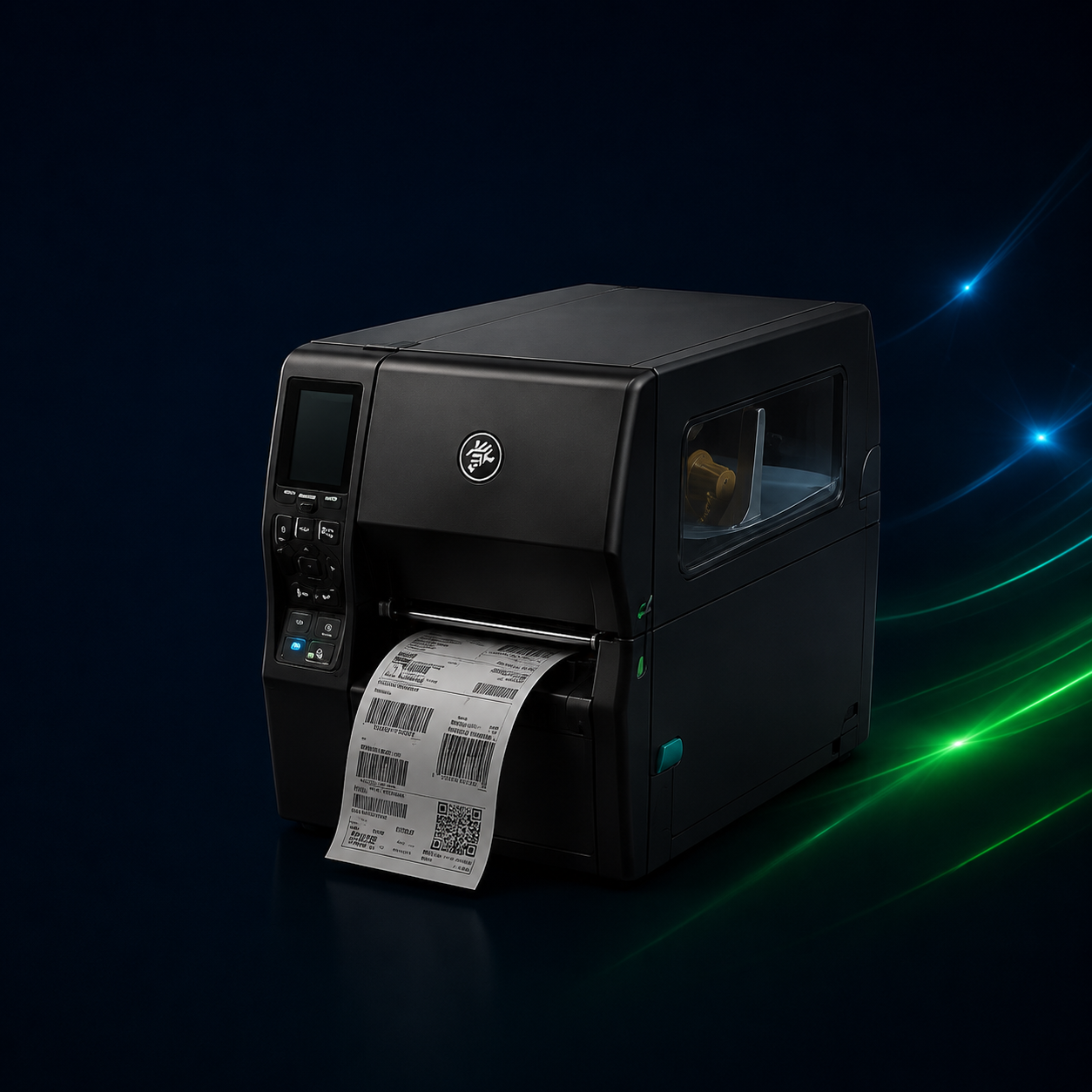
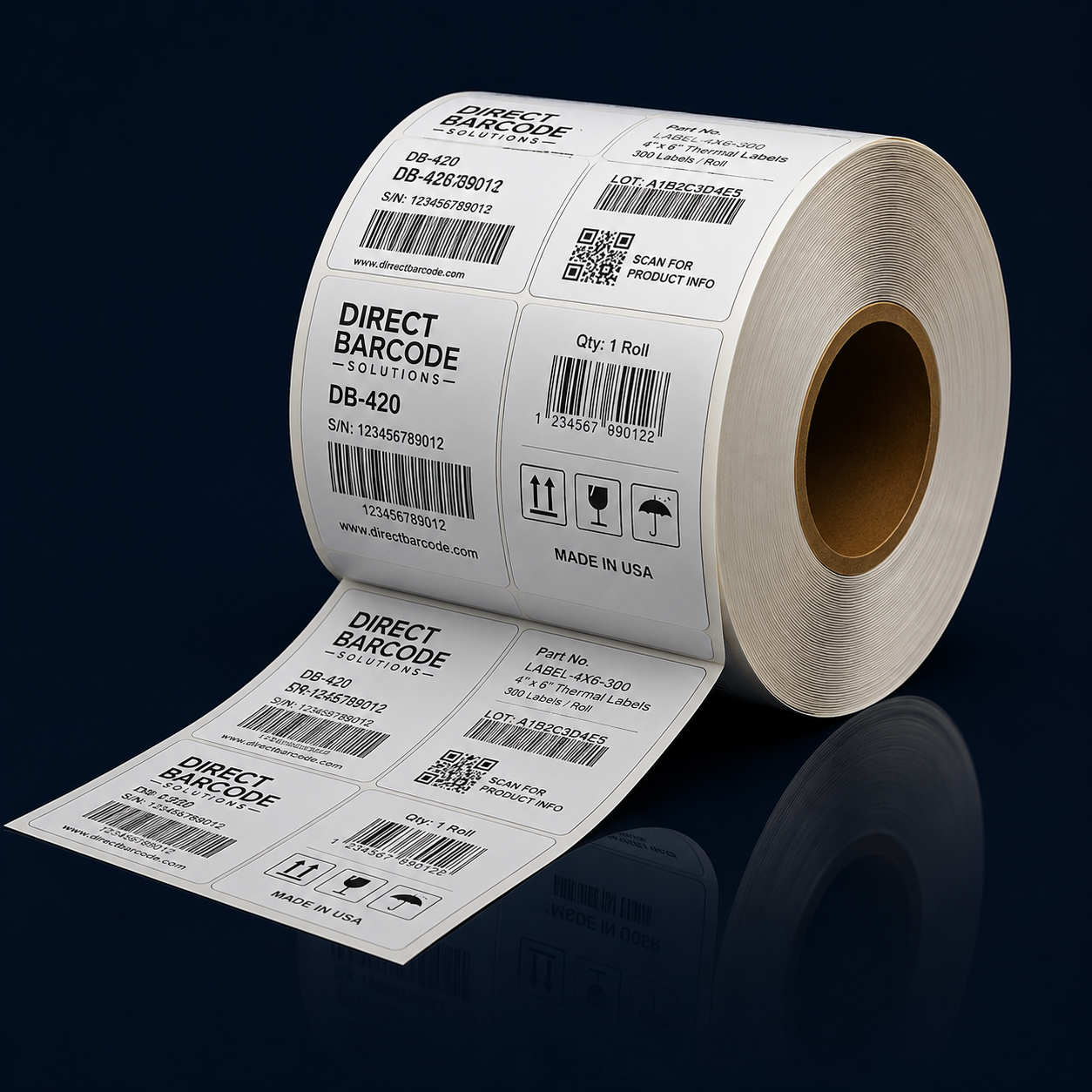
A barcode printer is a specialized device designed to print labels containing barcodes, text, and symbols used to identify and track products, assets, and inventory. Unlike standard office printers, barcode printers are built to produce high-contrast, scannable labels that work reliably with barcode scanners and automated systems. Businesses across industries rely on barcode printers to improve accuracy, speed, and organization in daily operations.
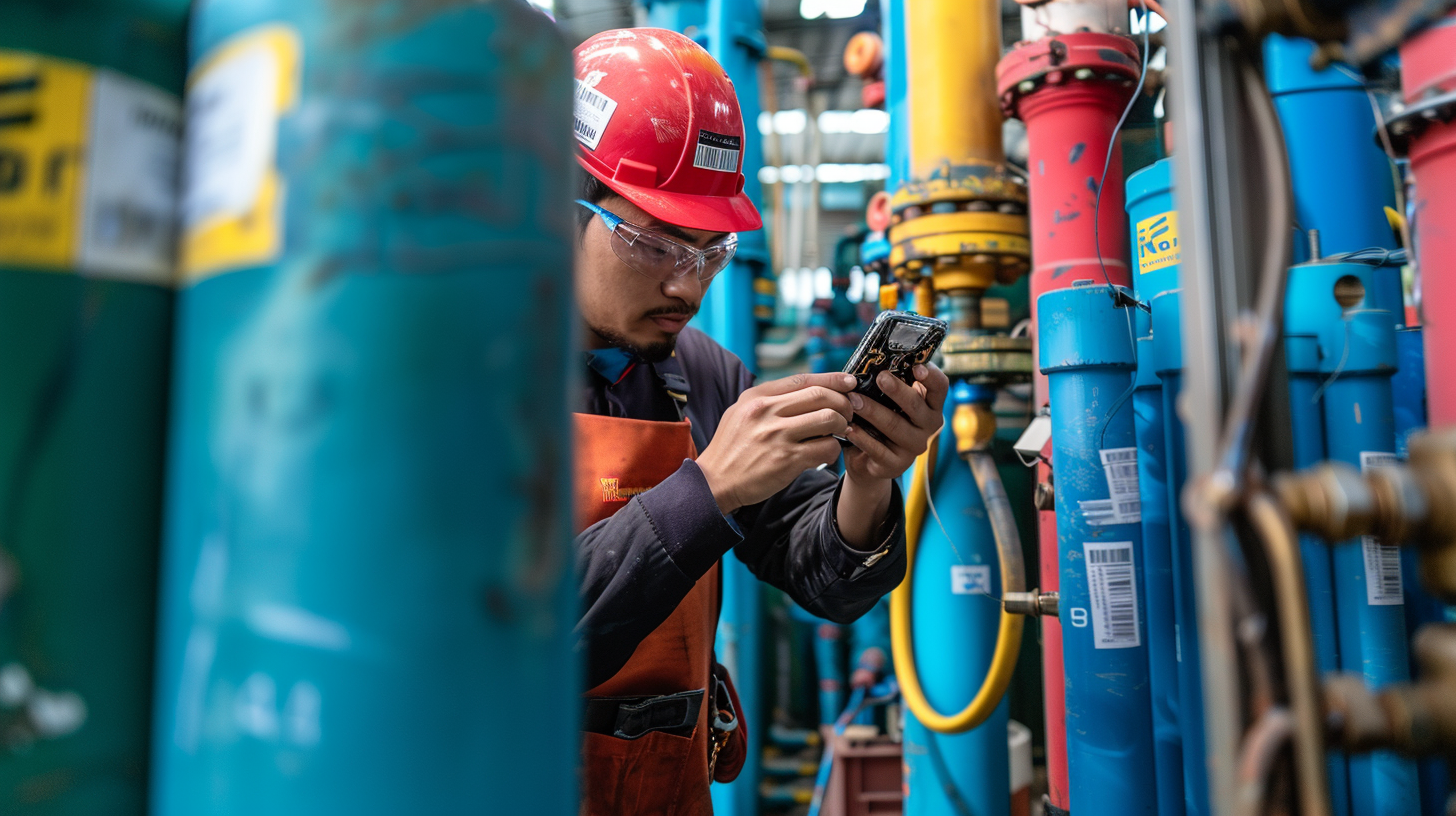
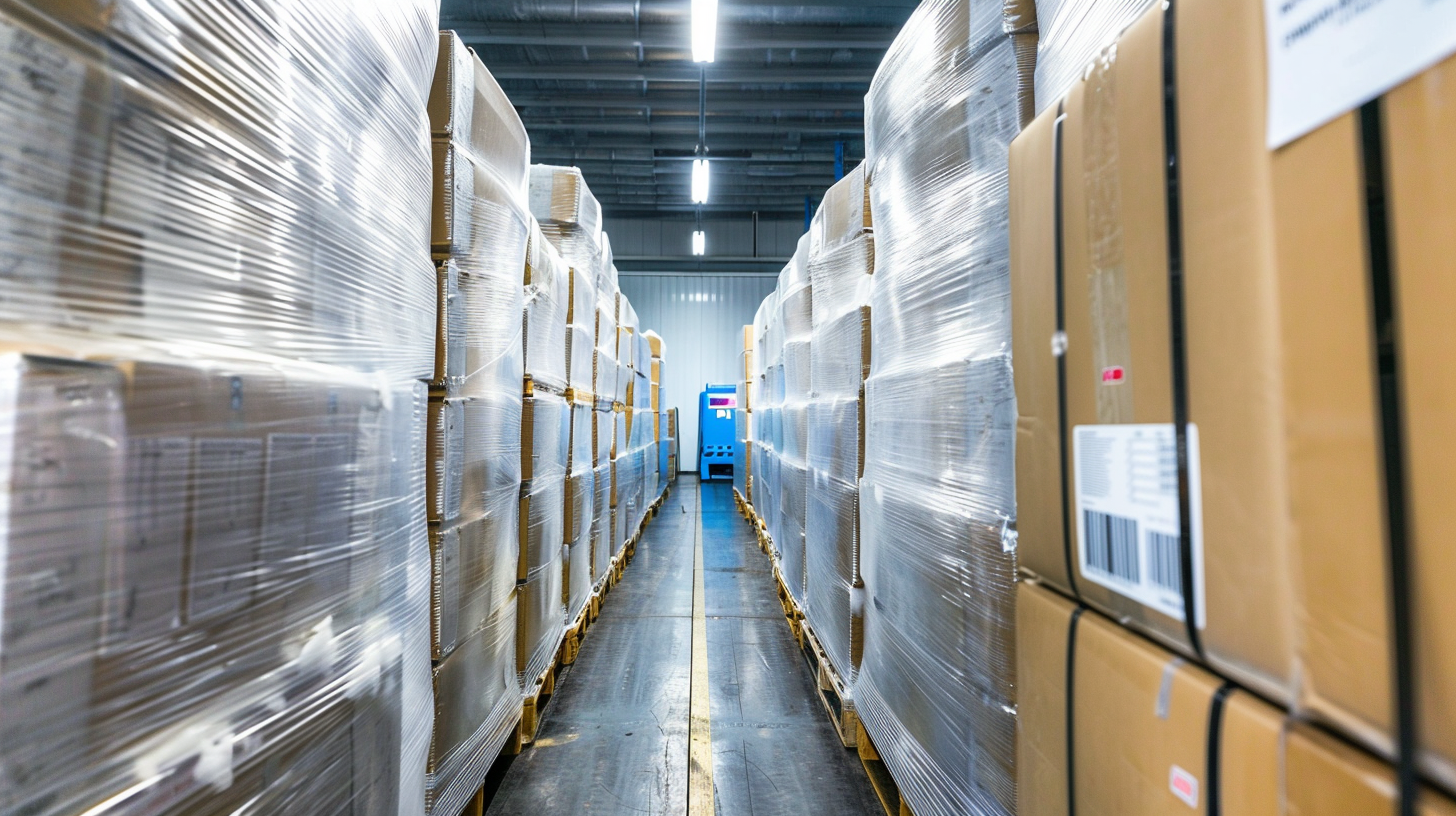
Barcode printers are commonly used in warehouses, manufacturing facilities, retail stores, healthcare environments, offices, and logistics operations. They support tasks such as inventory tracking, shipping and receiving, asset management, and compliance labeling. By replacing manual data entry with barcode scanning, businesses reduce errors and gain real-time visibility into their operations.
Most barcode printers use thermal printing technology, which relies on heat rather than ink or toner. Thermal printing creates sharp, consistent images that scanners can easily read. There are two primary types of thermal barcode printers: direct thermal and thermal transfer. Both operate using heat, but the way the image is formed differs between the two methods.
Direct thermal barcode printers print directly onto heat-sensitive labels. When heat is applied to the label surface, the material darkens to create the barcode or text. This process does not require ink, toner, or ribbons, making direct thermal printers simple to operate and maintain. They are commonly used for short-term applications such as shipping labels, packing slips, and temporary inventory tags where label longevity is not critical.
Thermal transfer barcode printers use a heated printhead to melt ink from a ribbon onto the label material. This method produces more durable labels that resist fading, smudging, and environmental exposure. Thermal transfer printing is ideal for applications that require long-lasting labels, such as asset tracking, product labeling, shelf labeling, and compliance tags. Because of their durability, thermal transfer printers are widely used in warehouses, manufacturing, and healthcare environments.
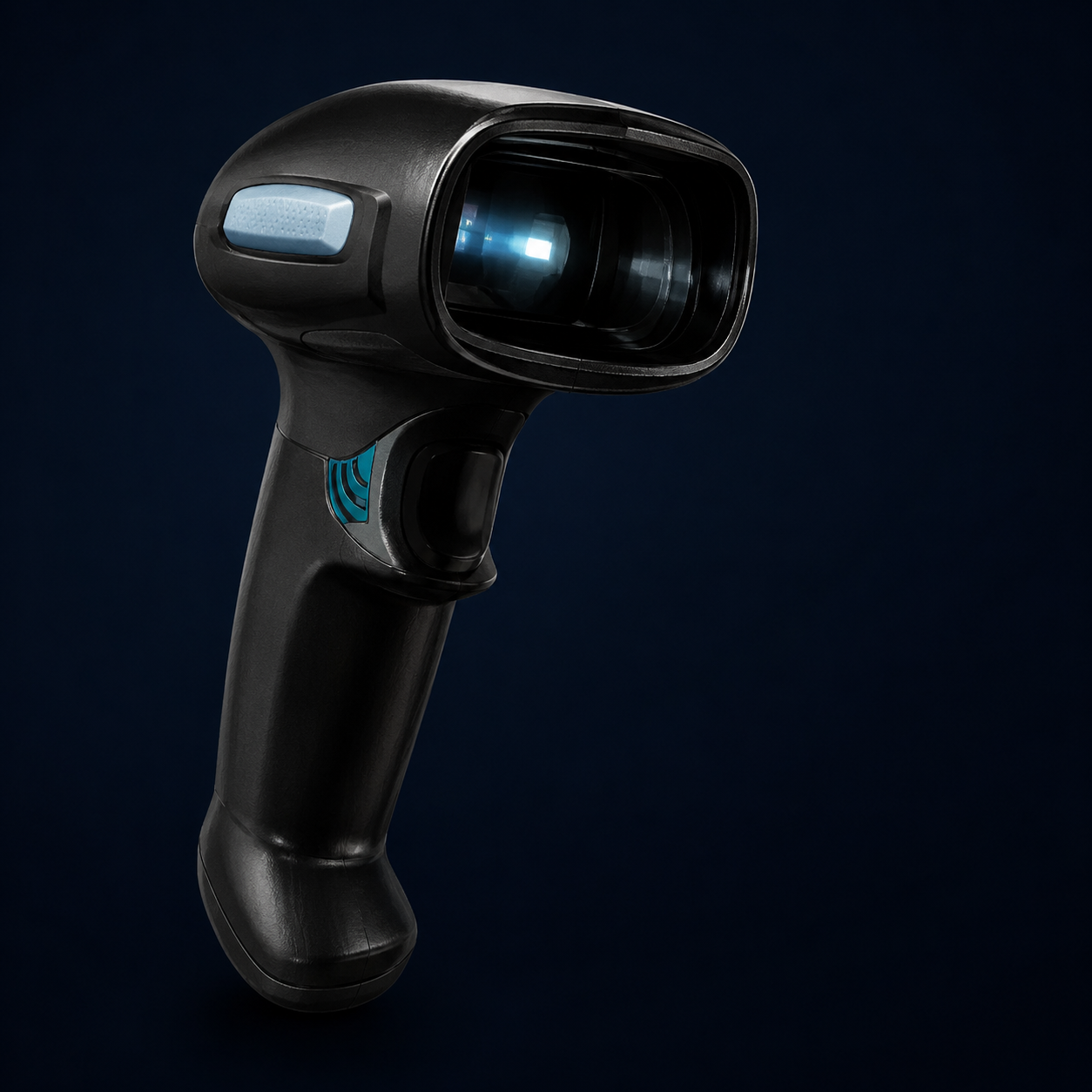
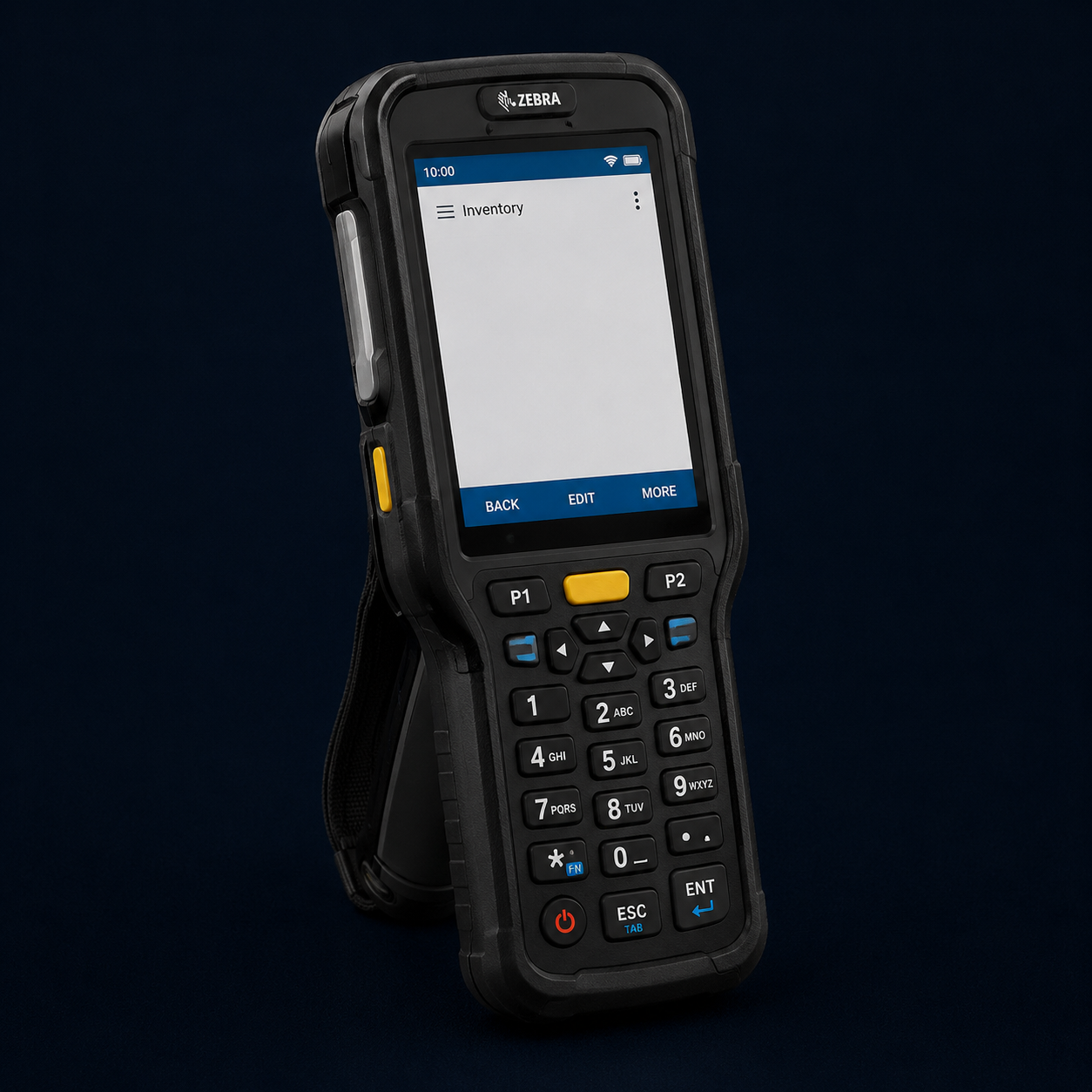
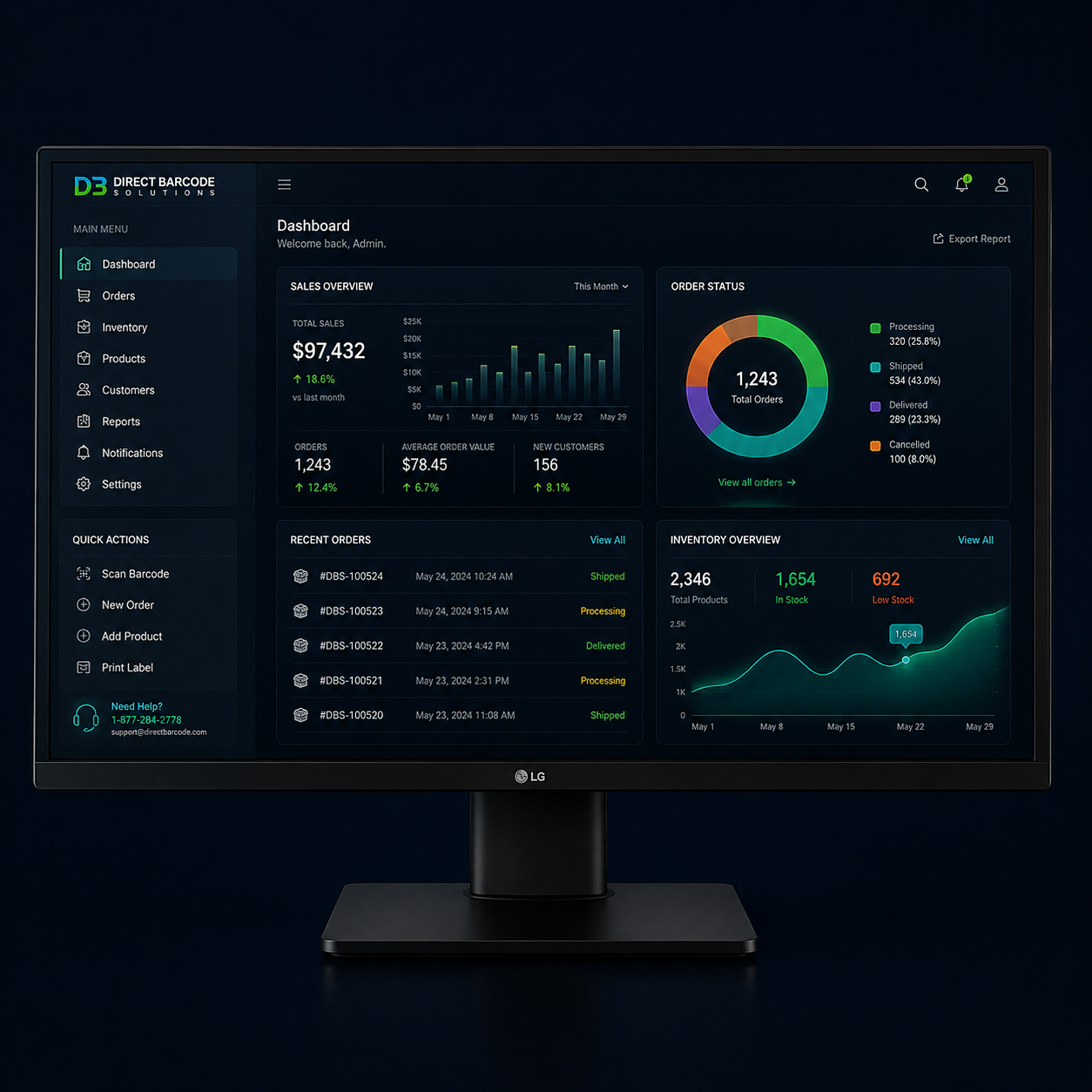
Barcode printers work in combination with software that generates barcode data. The software sends print commands to the printer, specifying the barcode type, size, and label format. The printer then applies heat in precise patterns to create the barcode image on the label. Once printed, the labels can be scanned by barcode readers to quickly retrieve information stored in digital systems.
Barcode printers are available in different sizes and performance levels to match business needs. Desktop barcode printers are compact and designed for low to moderate print volumes, making them suitable for offices and small businesses. Industrial barcode printers are built for high-volume printing and harsh environments, offering durability and reliability for continuous operation.
Understanding what a barcode printer is and how it works helps businesses choose the right solution for their labeling needs. By selecting the appropriate printer type, printing method, and capacity, businesses can improve efficiency, reduce errors, and maintain accurate tracking across their operations. Barcode printers remain a foundational tool for modern business processes that rely on speed, accuracy, and automation.