How Barcode Printers Improve Accuracy in Warehousing & Fulfillment
Accuracy is critical in warehousing and fulfillment operations, where even small errors can lead to delays, mis-shipments, and increased costs. Barcode printers play a central role in improving accuracy by enabling reliable identification and tracking of inventory, orders, and assets. By replacing manual processes with automated scanning, businesses gain greater control over their operations and reduce the risk of human error.
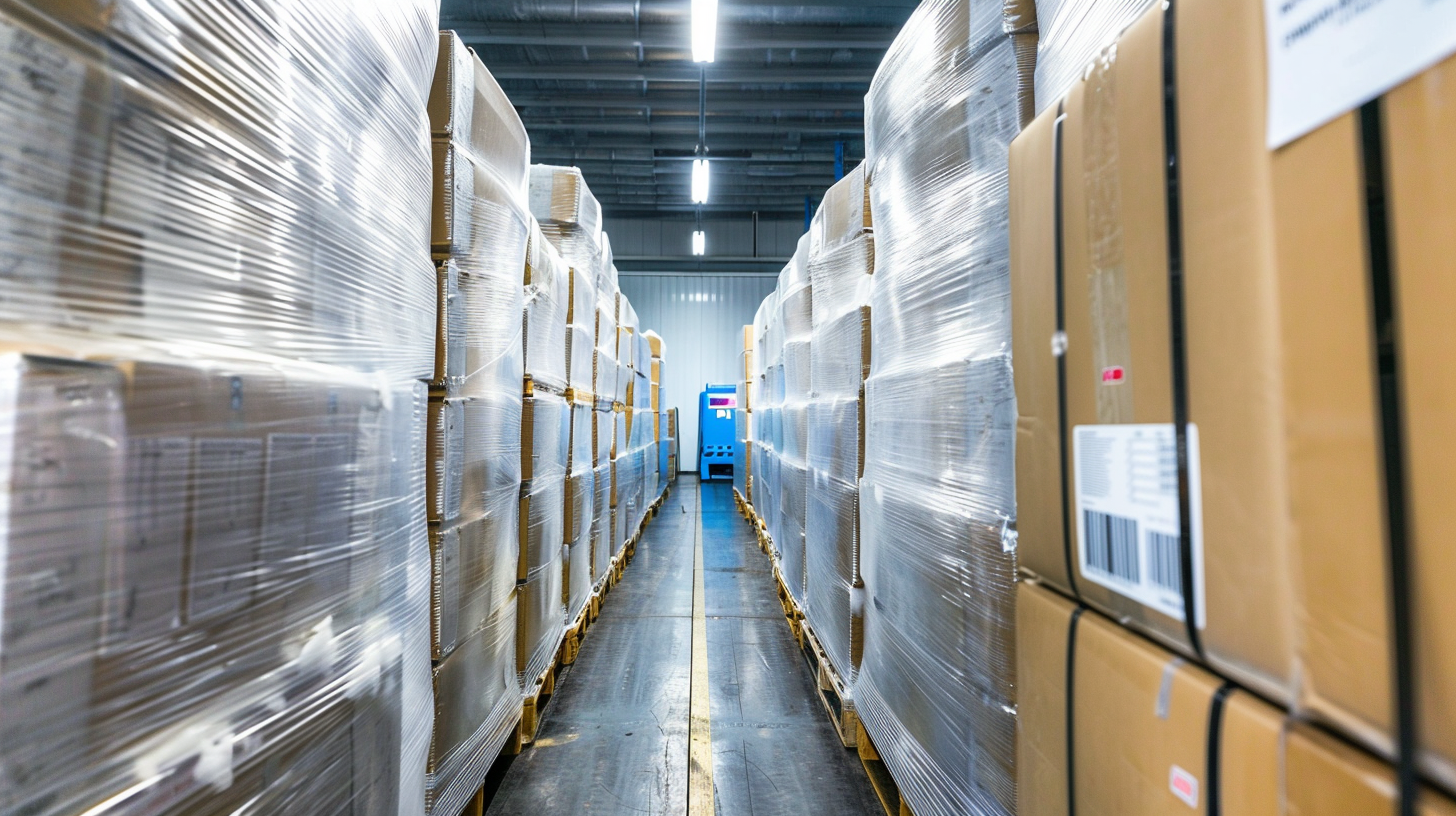
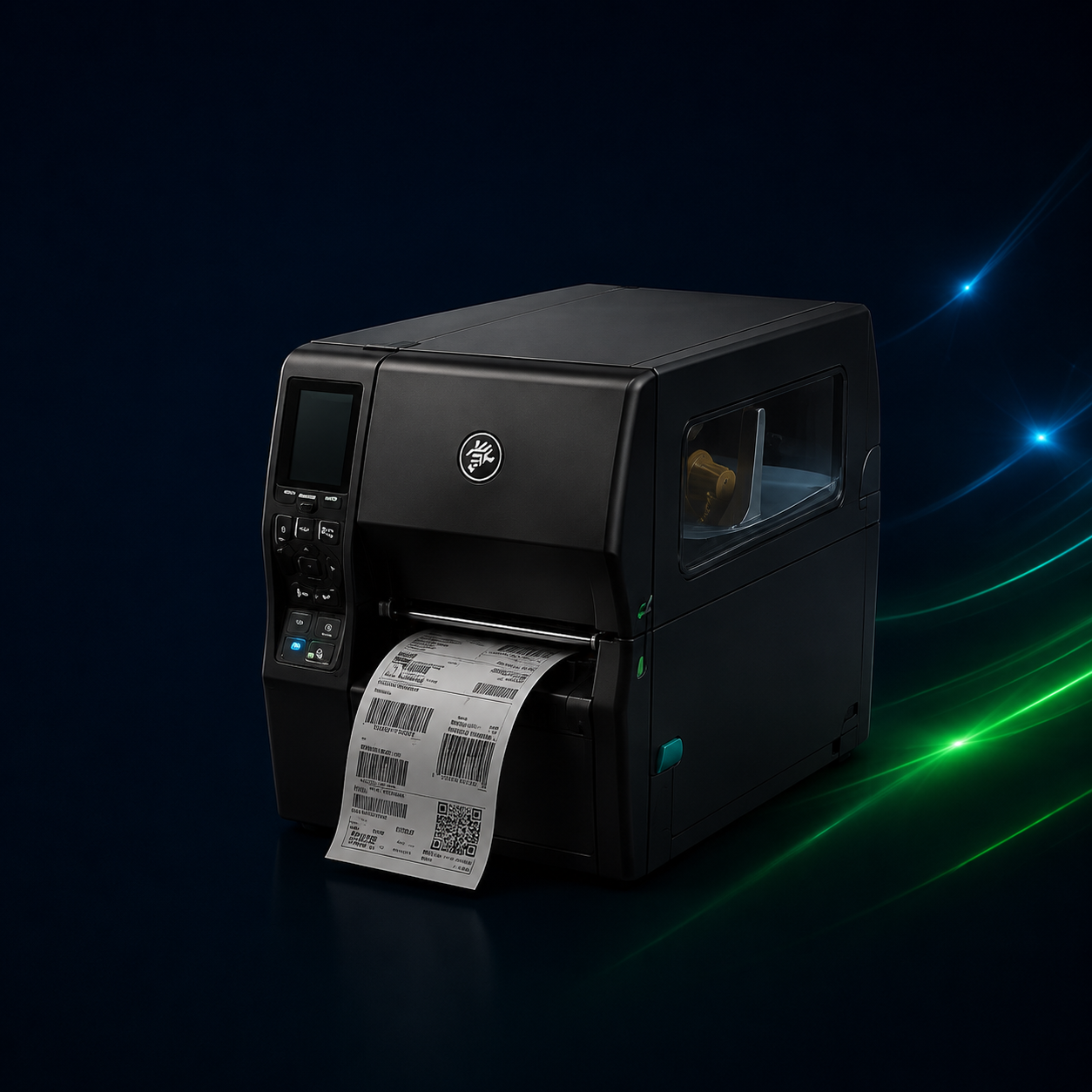
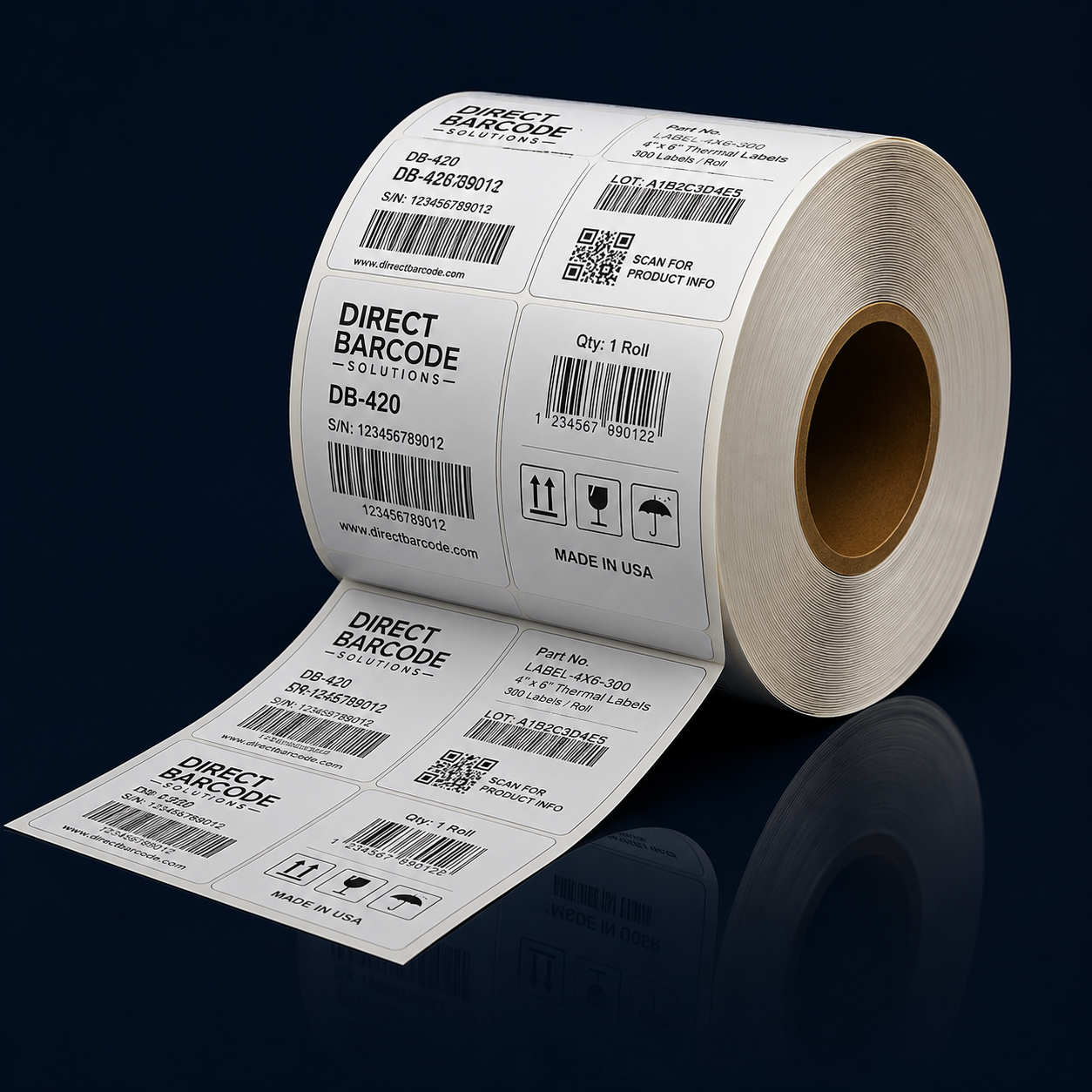
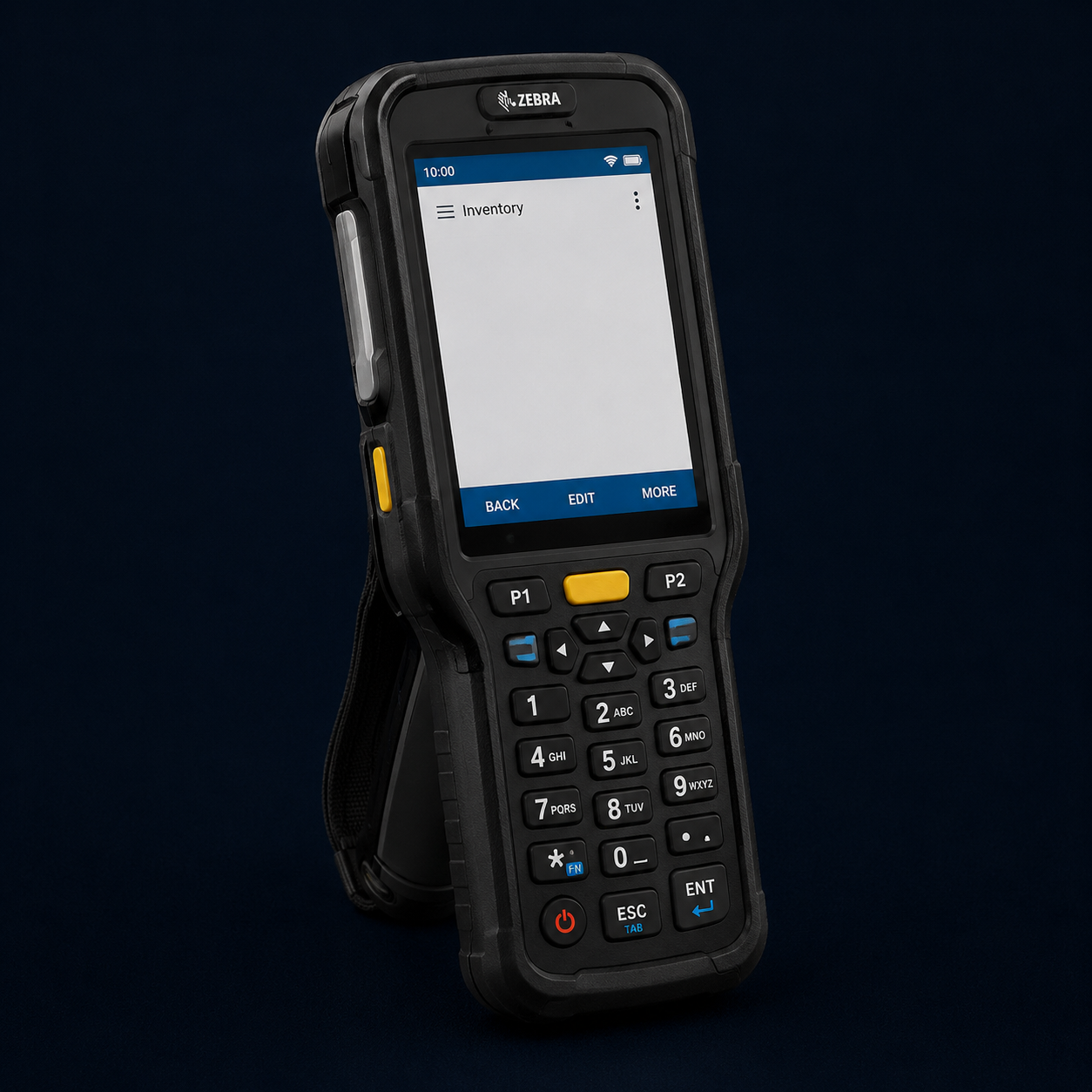
Barcode printers produce labels that contain scannable information used throughout the warehouse. These labels allow workers to quickly identify products, locations, and shipments with a simple scan. Compared to manual data entry, barcode scanning significantly reduces mistakes caused by misreading handwritten labels or typing incorrect information. Clear, consistent barcode printing ensures scanners capture data accurately every time.
In inventory management, barcode printers support accurate stock tracking. Labels applied to products, bins, and shelves allow warehouse systems to update inventory levels in real time as items are received, moved, or shipped. This real-time visibility reduces discrepancies between physical stock and digital records. Accurate labeling also makes cycle counts faster and more reliable, helping warehouses maintain correct inventory balances.
Barcode printers also improve accuracy during picking and packing processes. Printed barcode labels guide workers to the correct items and quantities, reducing picking errors. When items are scanned at each step, the system verifies that the correct product is selected before it moves to the next stage. This verification process helps prevent incorrect orders from reaching customers and minimizes costly returns.
In fulfillment operations, shipping accuracy is essential. Barcode printers produce shipping labels that include tracking information and destination details. Scannable labels ensure packages are routed correctly through carrier networks and reach the intended recipient. Accurate shipping labels reduce misrouted packages, delivery delays, and customer service issues.
Asset tracking is another area where barcode printers contribute to accuracy. Labels applied to equipment, tools, and containers allow warehouses to monitor usage and location. Accurate asset tracking reduces loss, improves accountability, and ensures critical equipment is available when needed. Consistent labeling also supports maintenance schedules and compliance requirements.
Durability and print quality play an important role in maintaining accuracy. Thermal barcode printers produce high-contrast labels that remain readable even in busy warehouse environments. Labels that resist smudging and fading ensure scanners can read barcodes reliably throughout their lifespan. Poor print quality or damaged labels can interrupt workflows and lead to scanning failures.
Integration with warehouse management and fulfillment systems further enhances accuracy. Modern barcode printers are designed to work seamlessly with inventory and order management software. This integration ensures that printed labels reflect up-to-date data and that scanned information is immediately captured in digital systems. Automated data flow minimizes manual intervention and reduces the chance of errors.
By enabling consistent labeling, real-time tracking, and automated verification, barcode printers significantly improve accuracy in warehousing and fulfillment. Businesses that invest in reliable barcode printing solutions benefit from fewer errors, faster processing, and improved customer satisfaction. Accurate labeling supports efficient operations and provides a strong foundation for scalable growth.