The Real Cost of Cheap Barcode Printers (And Why Businesses Replace Them Fast)
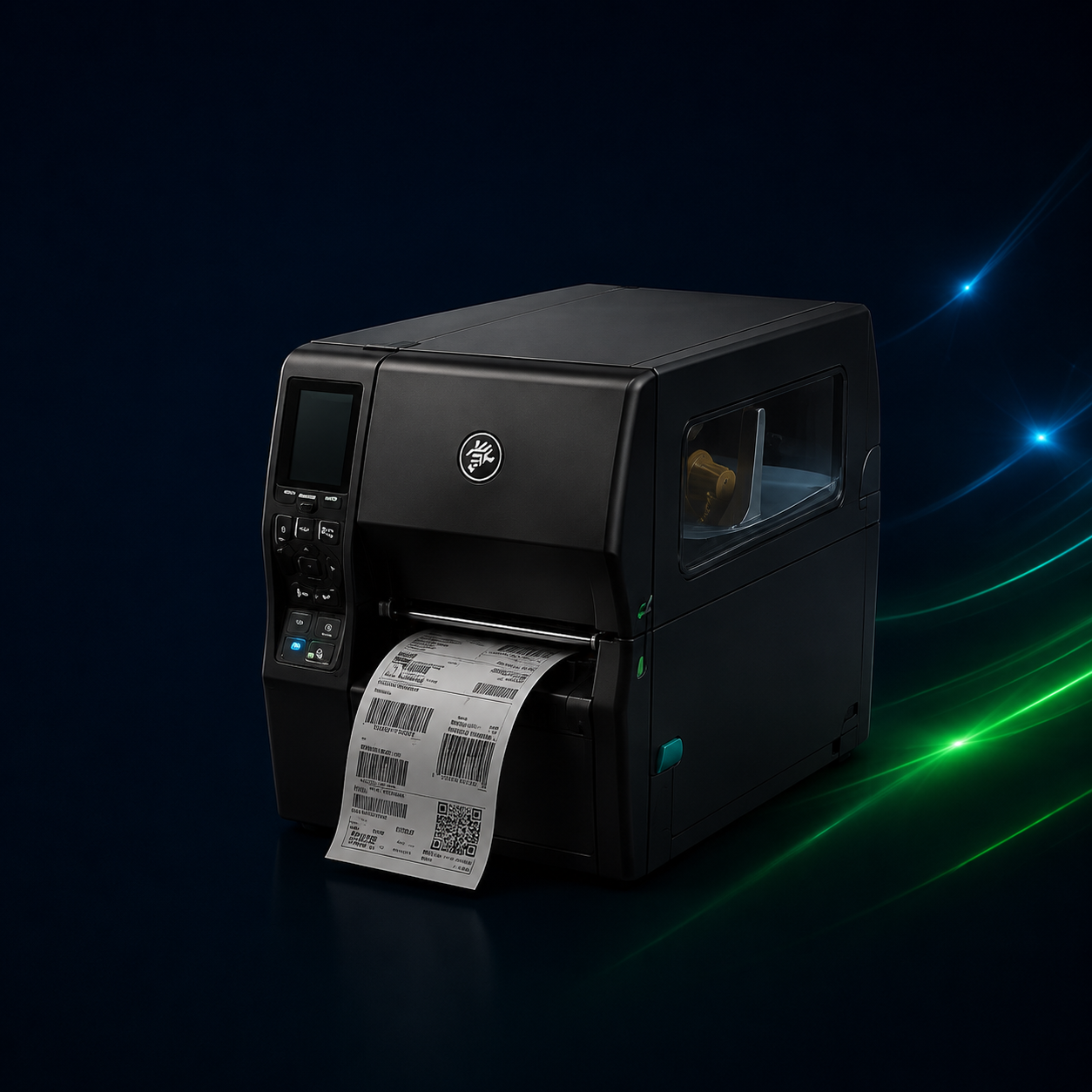
Low-cost barcode printers often appear to be an easy win for businesses looking to save money. The upfront price can be appealing, especially for small teams or growing operations. However, many businesses quickly discover that cheap barcode printers come with hidden costs that outweigh the initial savings. These hidden issues often lead to frequent replacements, increased downtime, and higher long-term expenses.
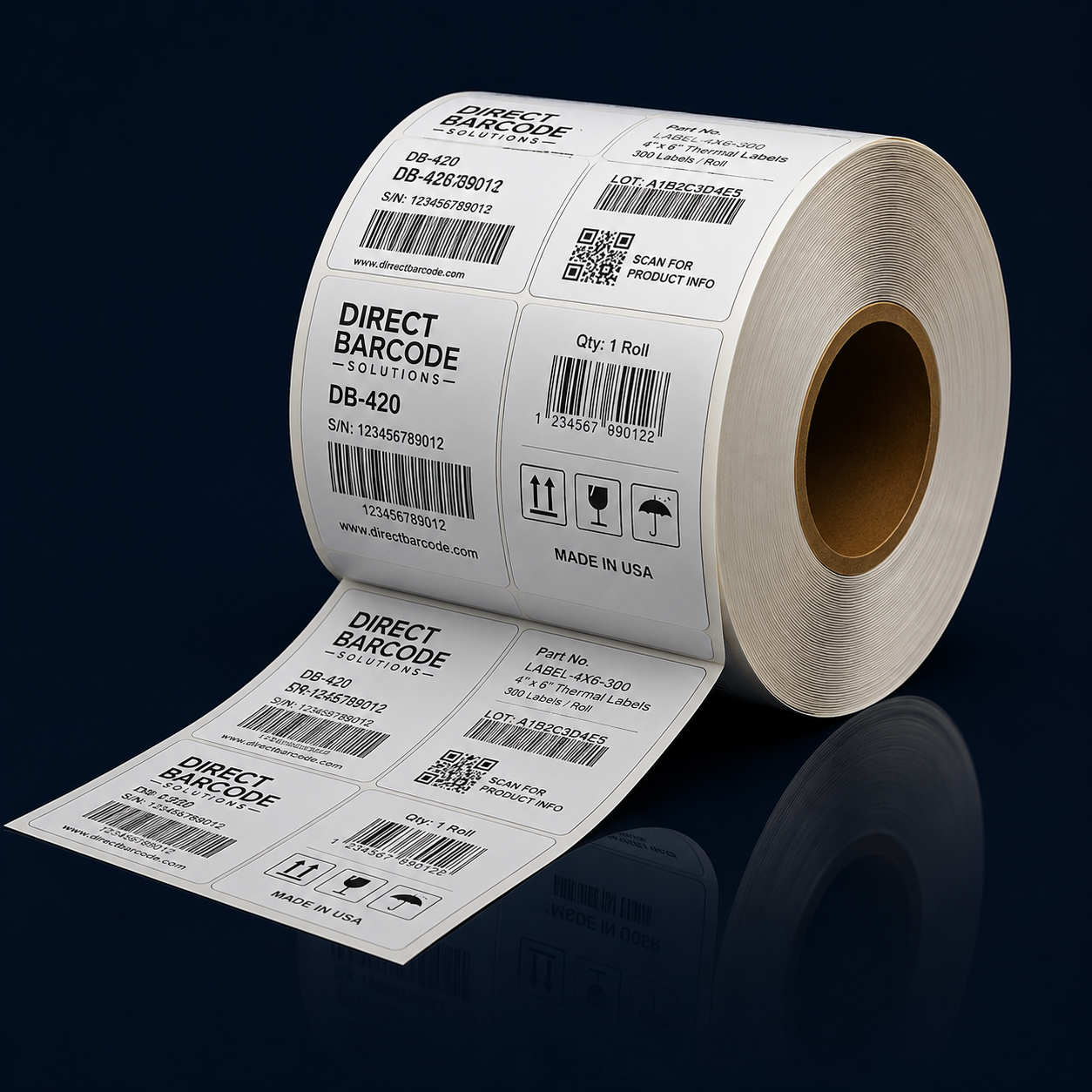
One of the most common problems with inexpensive barcode printers is inconsistent print quality. Faded or uneven barcodes can cause scanning errors, forcing employees to reprint labels or manually input data. These interruptions slow down workflows and increase the likelihood of mistakes. Over time, the cost of wasted labels, labor, and rework adds up, erasing any initial cost advantage.
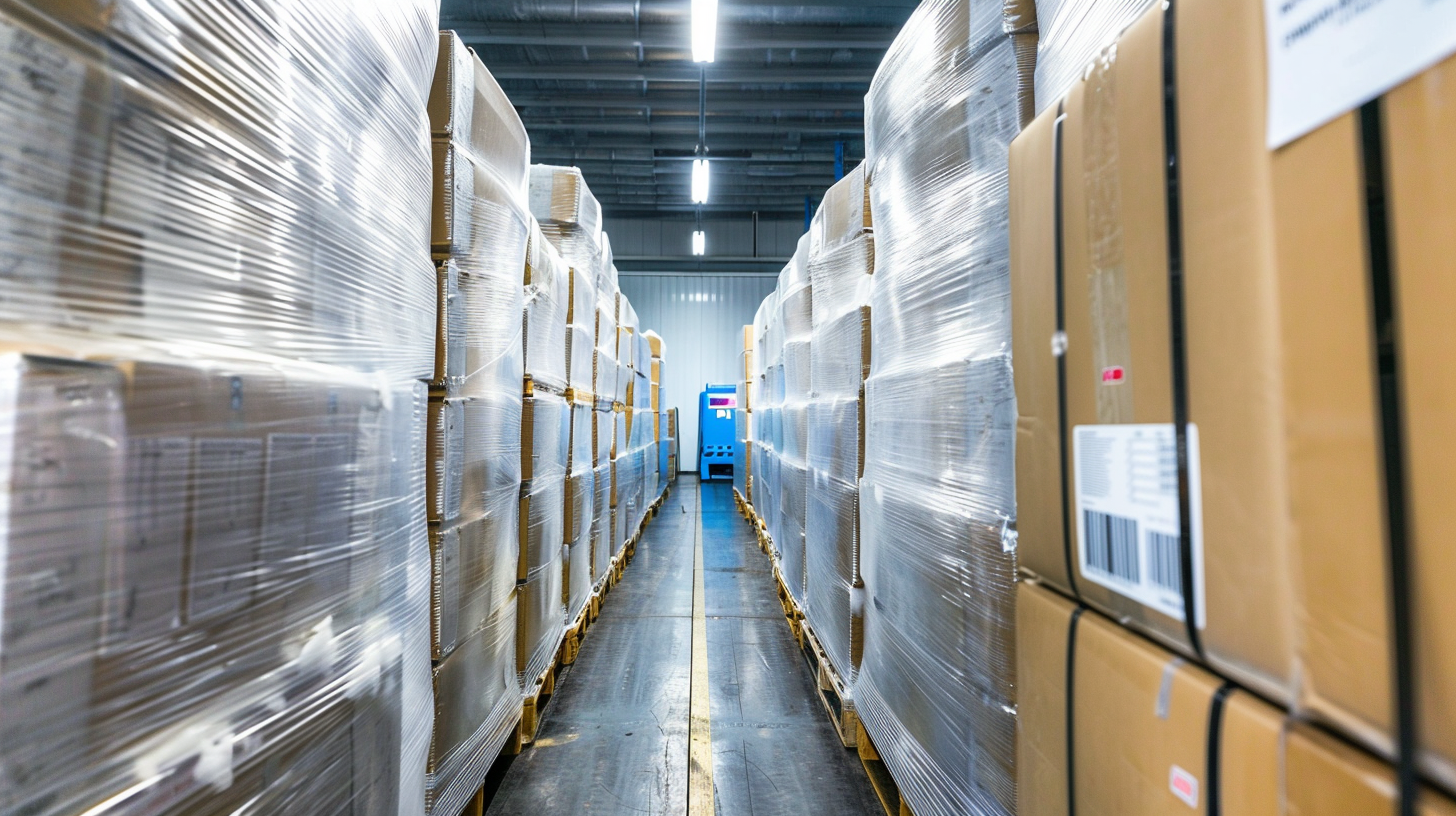
Durability is another major concern. Cheap barcode printers are typically built with lighter materials and components that are not designed for regular or high-volume use. In busy environments such as warehouses or fulfillment centers, these printers wear down quickly. Frequent jams, overheating, and mechanical failures become common, leading to unexpected downtime and repair costs.
Maintenance and repairs also tend to be more frequent with low-cost printers. Replacement parts may be difficult to source, and service support can be limited. As printers age, repair costs often approach or exceed the original purchase price. At that point, businesses are forced to replace the printer entirely, resulting in a cycle of repeated purchases rather than a long-term solution.
Performance limitations further contribute to the true cost of cheap barcode printers. Slower print speeds and limited media capacity can create bottlenecks during peak periods. When printers cannot keep up with demand, delays ripple through operations, affecting shipping schedules, inventory updates, and customer satisfaction. These productivity losses often go unnoticed until they impact service levels.
Compatibility and scalability issues are another overlooked factor. Budget printers may lack support for modern software systems, connectivity options, or advanced label formats. As businesses grow or upgrade their systems, these printers become outdated quickly. Replacing printers due to compatibility limitations adds additional costs that could have been avoided with a more scalable solution.
Cheap barcode printers may also limit label options. Lower-quality printers often struggle with thicker label materials, specialty labels, or high-resolution printing. This limitation can force businesses to compromise on label durability or redesign workflows to fit the printer’s capabilities, rather than choosing equipment that supports operational needs.
Businesses replace cheap barcode printers quickly because the hidden costs become impossible to ignore. Downtime, reprints, labor inefficiencies, and frequent replacements all impact the bottom line. Investing in a reliable barcode printer designed for business use provides better long-term value, consistent performance, and reduced operational risk.
The real cost of a barcode printer is not just the purchase price. It includes reliability, performance, maintenance, and how well the printer supports daily operations. By looking beyond upfront cost, businesses can choose barcode printing solutions that deliver efficiency and stability instead of ongoing frustration.