Cold Storage & Freezer Barcode Printers: What Works and What Fails
Cold storage and freezer environments present some of the toughest conditions for barcode printing. From food distribution and pharmaceuticals to cold-chain logistics, accurate labeling is essential for tracking inventory, meeting compliance requirements, and maintaining operational efficiency. However, not all barcode printers and labels perform well in low-temperature environments, and choosing the wrong setup can lead to frequent failures and costly disruptions.
One of the biggest challenges in cold storage is label durability. Low temperatures, moisture, and condensation can cause labels to peel, crack, or fade. Barcode printers used in these environments must produce labels that remain scannable despite exposure to freezing conditions. Printers alone are not enough; success depends on the combination of printing technology, label material, and adhesive strength.
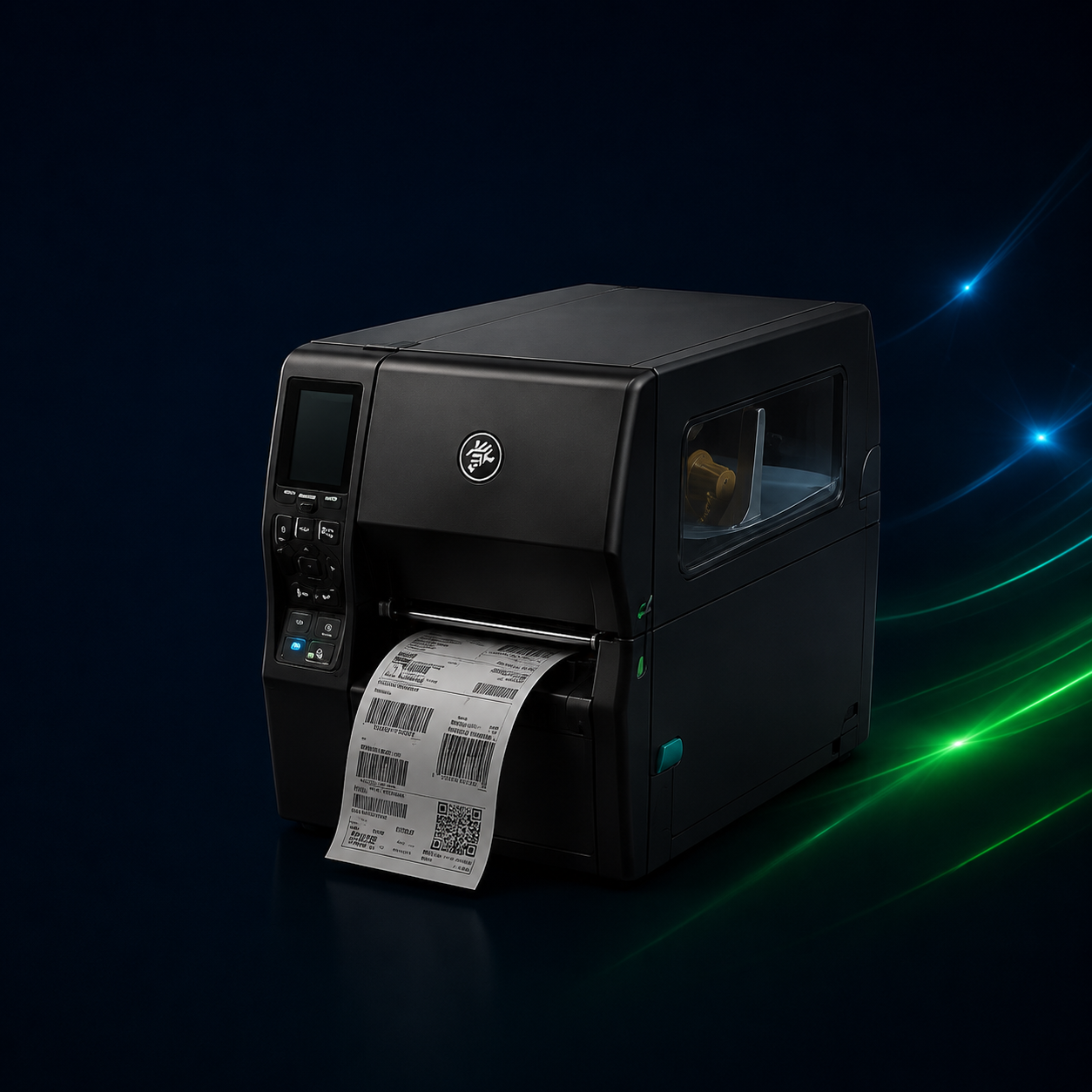
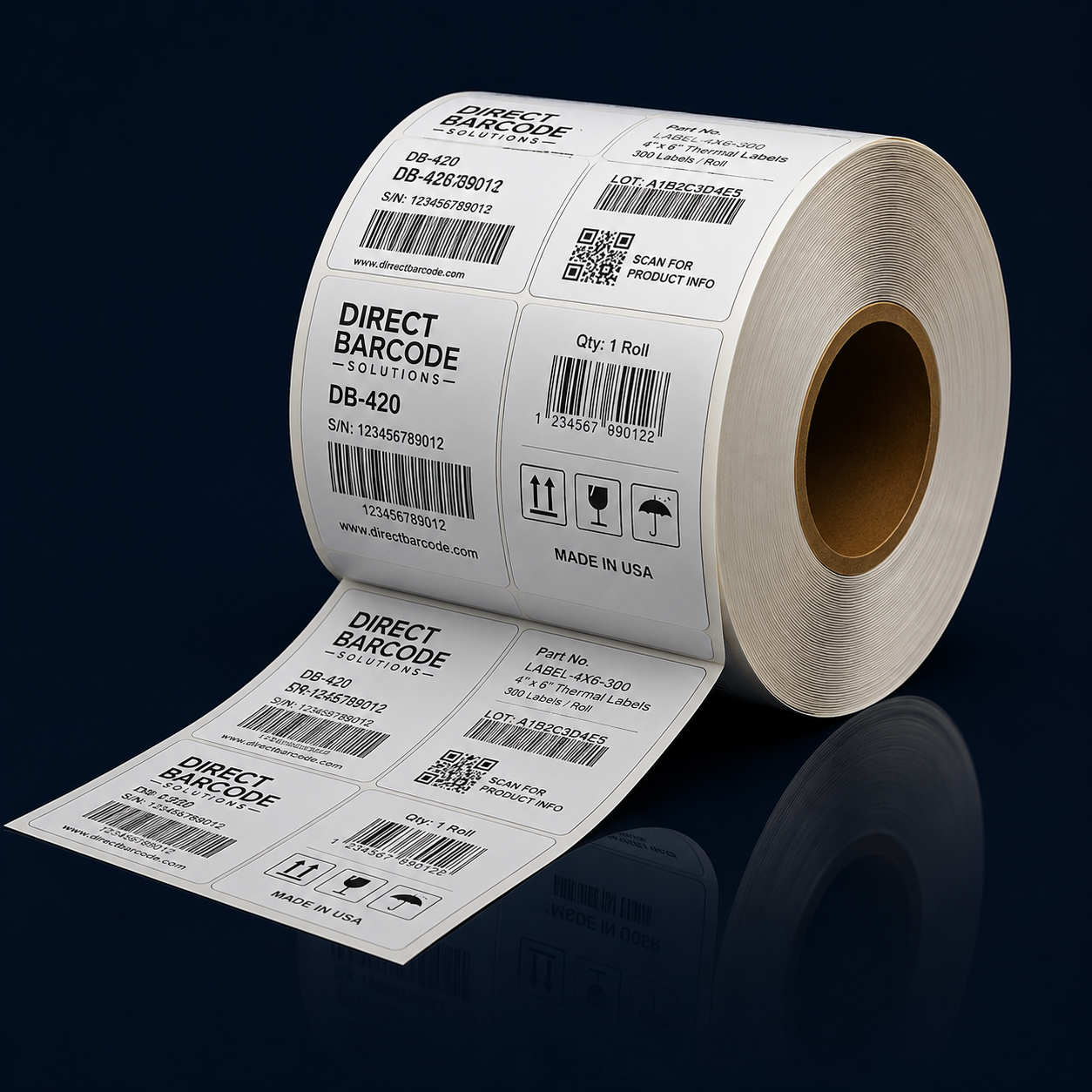
Thermal transfer barcode printers are generally the most reliable option for cold storage and freezer applications. These printers use a ribbon to transfer ink onto the label surface, creating durable images that resist smudging and fading. When paired with freezer-grade synthetic labels, thermal transfer printing produces barcodes that hold up under extreme cold and humidity. This makes thermal transfer printers well suited for pallet labels, carton labels, and long-term inventory tracking in frozen environments.
Direct thermal printers often struggle in cold storage settings. Direct thermal labels rely on heat-sensitive material, which can become brittle or fade when exposed to freezing temperatures. Condensation can further reduce label readability. While direct thermal printing may work for short-term labeling in refrigerated areas, it frequently fails in deep freezer environments where label longevity and durability are required.
Adhesive performance is another critical factor that determines what works and what fails. Standard adhesives often lose bonding strength in cold temperatures, causing labels to peel off cartons or containers. Freezer-grade adhesives are designed to bond in low temperatures and maintain adhesion despite moisture and frost. Barcode printers that support these specialty labels provide better results in cold storage operations.
Printer placement and environment also affect performance. Cold storage facilities often place printers outside freezer areas to protect equipment from extreme temperatures. Labels are printed in controlled environments and applied before products enter cold storage. Industrial barcode printers are well suited for this workflow because they handle high volumes and support durable label materials needed for cold-chain operations.
Print quality and resolution matter in freezer environments where scanning conditions may not be ideal. Frost, glare, and handling can make scanning more difficult. Barcode printers that produce high-contrast, sharp images improve scan reliability. Proper calibration and consistent print quality help ensure scanners can read labels accurately even under challenging conditions.
Maintenance practices also play a role in cold storage success. Printers exposed to moisture or temperature fluctuations may experience condensation buildup, which can affect components over time. Keeping printers in dry, temperature-controlled areas and performing regular maintenance helps extend equipment life and maintain consistent output.
Cold storage and freezer barcode printing requires specialized solutions. What works is thermal transfer printing paired with freezer-grade labels and adhesives designed for low temperatures. What fails is using standard labels, adhesives, or direct thermal printing in environments they were not designed to handle. By selecting the right barcode printers and supplies, businesses can maintain accurate tracking, reduce label failures, and support reliable operations throughout the cold chain.